
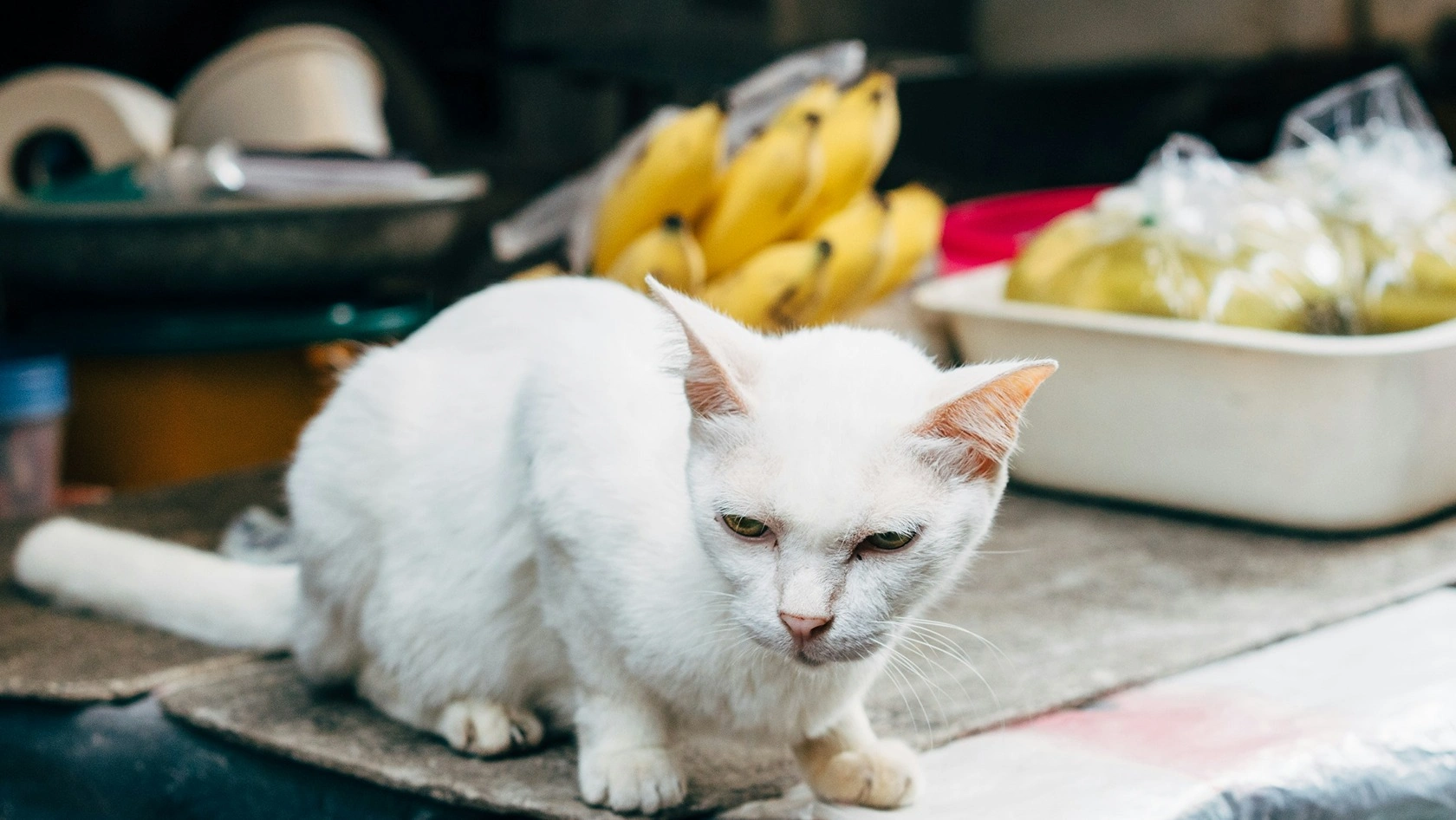

TL;DR: Can Cats Eat Bananas? Benefits, Risks, and Safe Eating Tips
- Cats can safely eat bananas in tiny amounts, and while it’s fun to share a little treat, bananas are best as an occasional cat snack.
- Bananas have small amounts of potassium, fibre, and vitamins, which can give a minor boost, but they don’t replace your cat’s regular food or kitten food.
- Giving too much banana, or letting your cat eat the banana peel, can cause vomiting, diarrhea, or stomach upset—and some cats may just turn their nose up at it.
- To feed bananas safely, offer only a tiny bite from a medium banana, watch how your cat reacts, and skip banana bread or sugary mixes.
- If your cat shows vomiting, diarrhea, lethargy, or allergic reactions, it’s time to call a veterinarian to keep your feline friend safe.
If you want to let your cat try a banana safely or have questions about feeding new foods, contact us for guidance. Our professional vets can help you make treat time both safe and enjoyable for your feline friend.
Ever wondered whether cats can eat bananas when you’re enjoying one and your feline friend suddenly wants a bite? Since cats are obligate carnivores, they don’t really need human food like bananas, even if they seem curious. Still, bananas aren’t toxic to cats, so it’s normal to wonder if a small taste is okay.
Although bananas are generally safe for cats to eat, they contain high sugar that cats aren’t built to handle. Many cats may sniff a banana slice out of curiosity, but cats aren’t naturally drawn to fruity snacks. And because any new food can cause vomiting or diarrhea, regular cat food should always stay the priority.
Before you feed your cat bananas, make sure to remove the banana peel and offer only a tiny piece to avoid any gastrointestinal issues. Cats can have bananas in small amounts, but it should stay a rare, occasional treat. Read on and safely feed your cat with bananas without any upset tummy moments.
Can Cats Eat Bananas? Is This Fruit Safe for Cats to Eat?
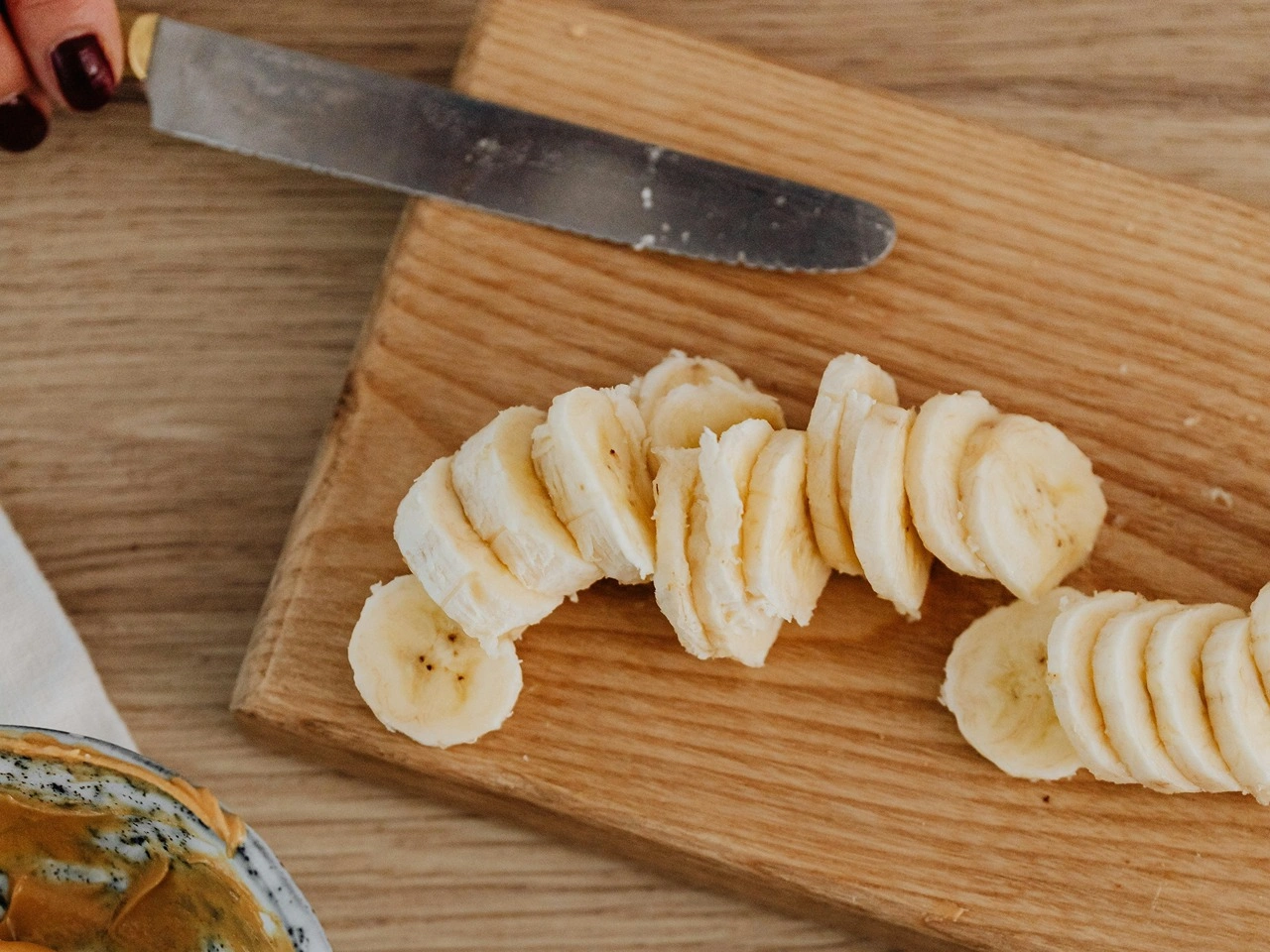
Cats can eat bananas in small amounts, and bananas are not toxic, so the answer is yes. Still, since most cats are obligate carnivores, this fruit doesn’t offer the nutrients that cats depend on. That’s why banana, as an occasional treat, is the safest choice for adult cats and kittens.
- A cat can safely eat only a tiny piece because bananas contain natural sugars, and bananas are high in sugar.
- Bananas may cause reactions in your cat, such as vomiting or diarrhea, especially when giving your cat any new food, including bananas.
- Many pet owners find it helpful to cut the banana into small pieces to keep their cat safe and avoid unnecessary stomach issues.
- Even though bananas are safe, it sounds reassuring; many bananas or large portions can be dangerous for cats.
- Cats eat bananas safely only when you feed them safely and watch for any allergic reaction or changes in your cat’s behaviour.
- Since cats don’t digest sweet snacks the way humans do, eat bananas in small amounts when offering this fruit to your cat.
- Remember that bananas aren’t meant to replace real meals or the nutrients cats require, so treats like this should stay rare.
Nutritional Benefits of Bananas for Cats and Kittens
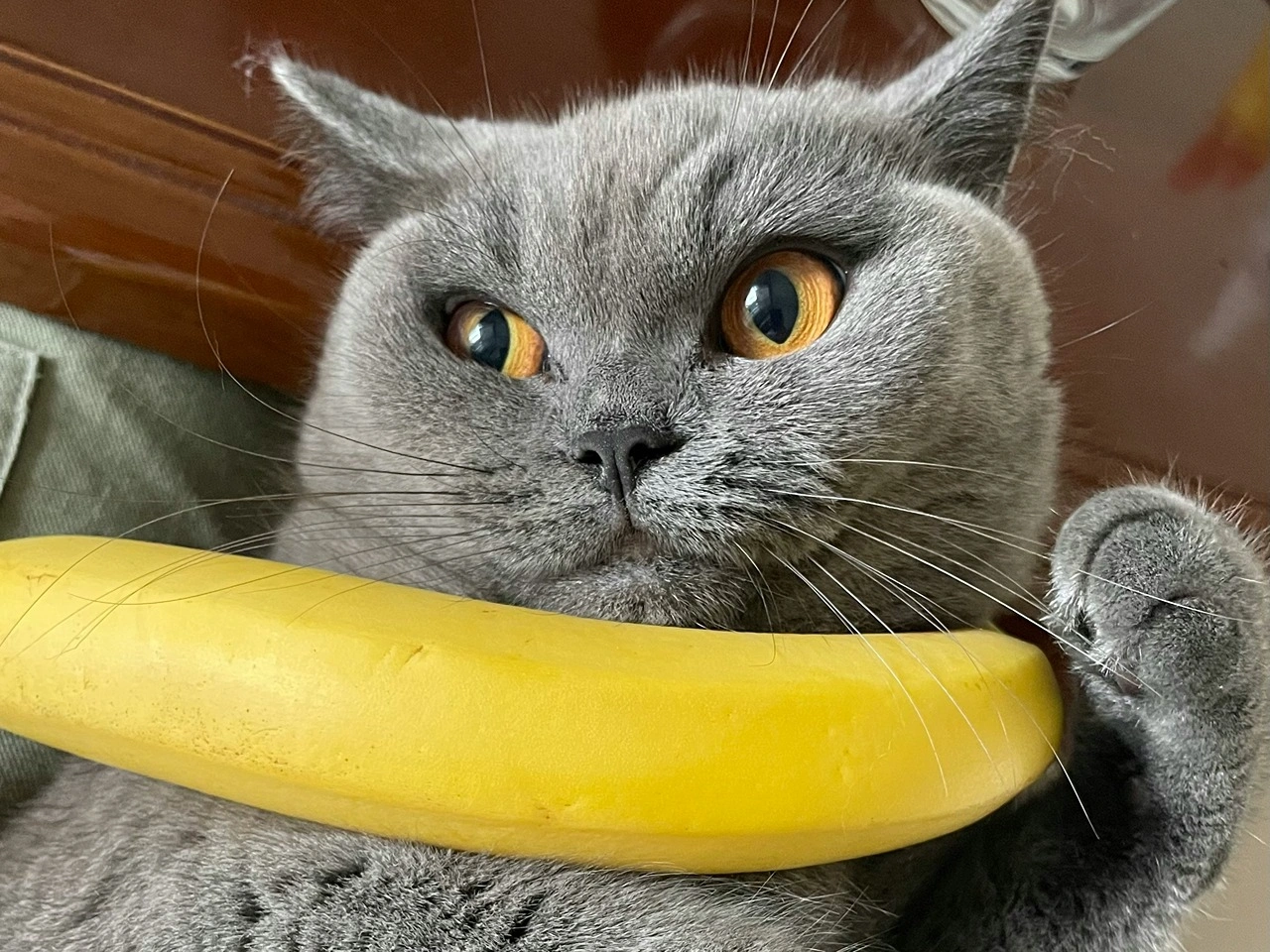
Eating a banana gives small amounts of potassium and other nutrients that can be healthy for cats in the right portions. Even though bananas are a snack for humans, sharing a tiny bite can feel fun.
Key Nutrients in Bananas for Cats
Bananas have a few helpful nutrients that make them okay for cats to eat in small amounts:
- Potassium: Helps support normal muscle and nerve function.
- Fibre: Can help with simple digestion needs.
- Vitamins: Gently support general wellness.
Benefits of Feeding Bananas Safely
When cats eat small pieces of banana, there can be a few mild benefits:
- Offers a simple change from normal cat treats.
- Let a curious kitten or adult cat try a new flavour without harm.
- Gives a bite that’s not toxic for cats and is still healthy for cats in moderation.
Just remember that feeding too many bananas can upset a cat’s stomach, so tiny pieces are always best. To keep your cat safe, offer only a very small slice from a medium banana and avoid things like banana bread, which aren’t meant for pets.
Risks of Feeding Bananas to Cats: What’s Bad for Cats
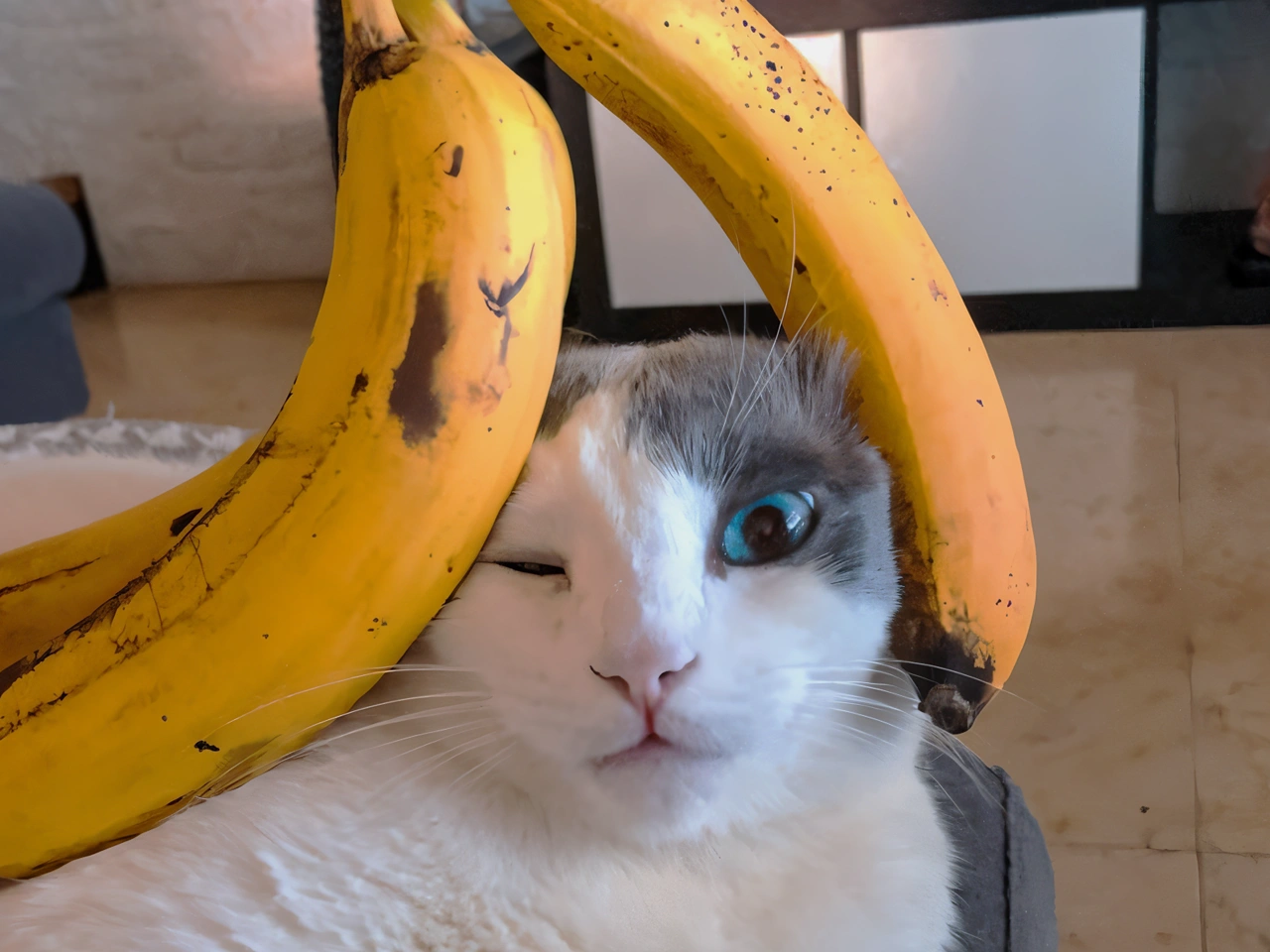
Bananas are not toxic for cats, but there are still real risks when a cat eats too much banana at once. Since cats are obligate carnivores, sugary fruit can be tough on their stomach and doesn’t match what their diet is built for. It’s easy to think a small human snack is harmless, but feeding bananas to cats without careful portions can lead to an upset stomach quickly.
Why Too Much Banana Can Be a Problem
Bananas may be safe for cats to eat, but bigger portions can create trouble:
- High sugar content: Cats don’t handle sugar well, and it can cause digestive issues.
- Gastrointestinal reactions: Eating a banana in large pieces can lead to vomiting or diarrhea.
- Not a natural fit: Cats need protein-based meals, not fruit, so bananas don’t offer much nutritional value.
When Bananas Become Bad for Cats
Bananas can become bad for cats when they’re not offered the right way:
- Too many bananas at once can overwhelm a sensitive stomach.
- Some cats don’t like bananas at all, and trying to force a new food can stress them out.
- Banana peel is difficult to digest and should never be given.
A simple way to keep your cat safe is to offer only a tiny bite from a medium banana, just enough for a quick taste. If your cat shows any unusual signs afterwards, reaching out to a veterinarian is always the safest next step.
How to Safely Feed Bananas to Your Cat or Kitten
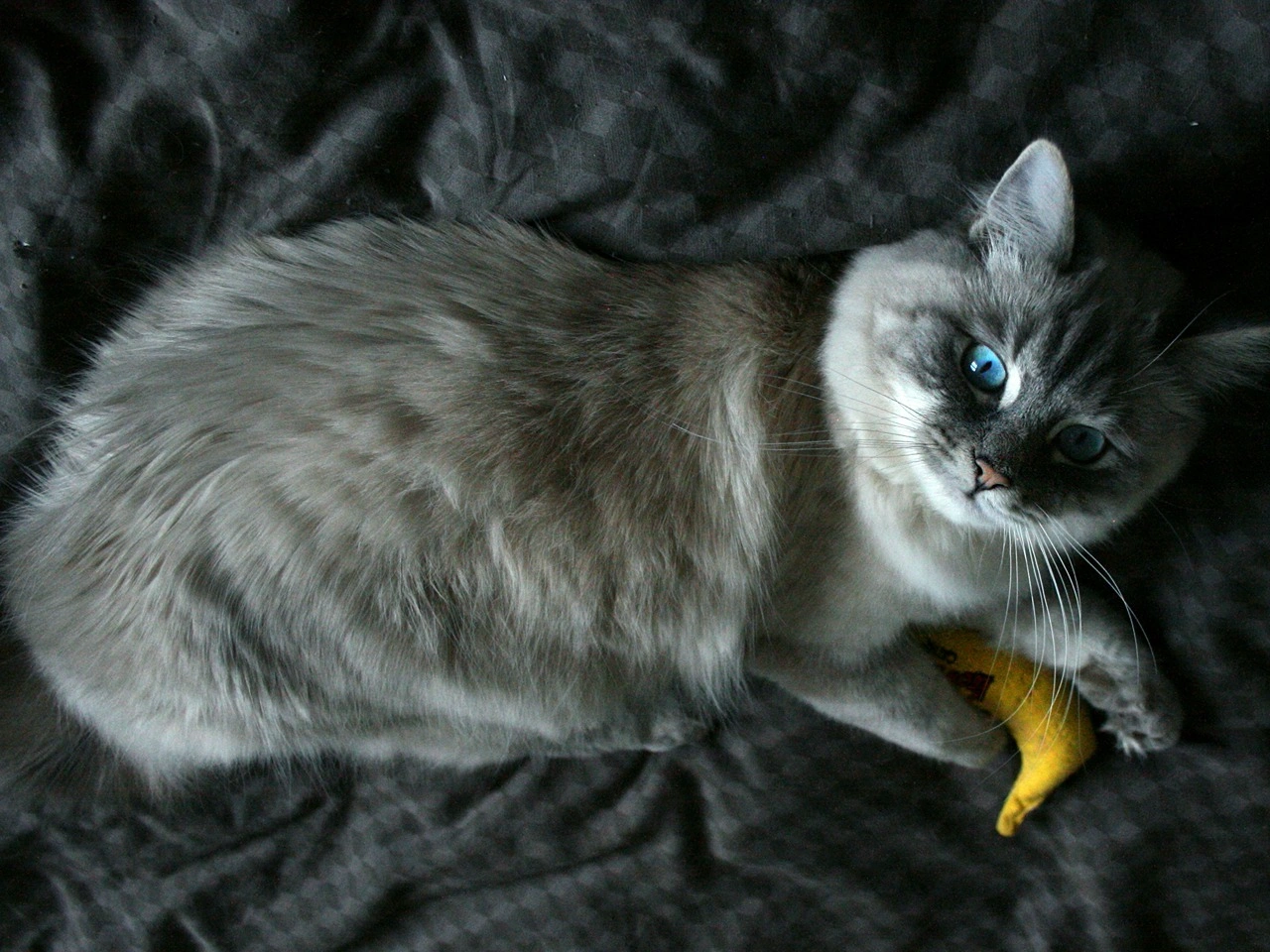
Feeding bananas to your cat can be a cute moment, especially when a curious feline comes sniffing around your snack. Even though bananas are not toxic for cats, they still need to be given carefully because cats are obligate carnivores. A tiny taste is usually enough to satisfy curiosity without upsetting their stomach.
- Give only a tiny piece: A very small bite from a medium banana is plenty for a cat or kitten.
- Always remove the peel: The peel is tough to digest, so only the soft part of the fruit should be offered.
- Keep it as an occasional cat treat: Bananas are a snack for humans, not a replacement for normal cat food or kitten food.
- Watch how your cat reacts: After eating a banana, look for signs like vomiting or diarrhea, especially if it’s their first time.
- Skip banana bread and mixed foods: Extra sugar and added ingredients aren’t healthy for cats.
- Ask a veterinarian if something feels off: A vet can help if your cat has special dietary needs or a sensitive stomach.
Keeping your cat safe is simple—let them eat small pieces only, treat it as a rare moment of fun, and stop if anything seems unusual.
Signs Your Cat Needs a Vet After Eating Some Banana
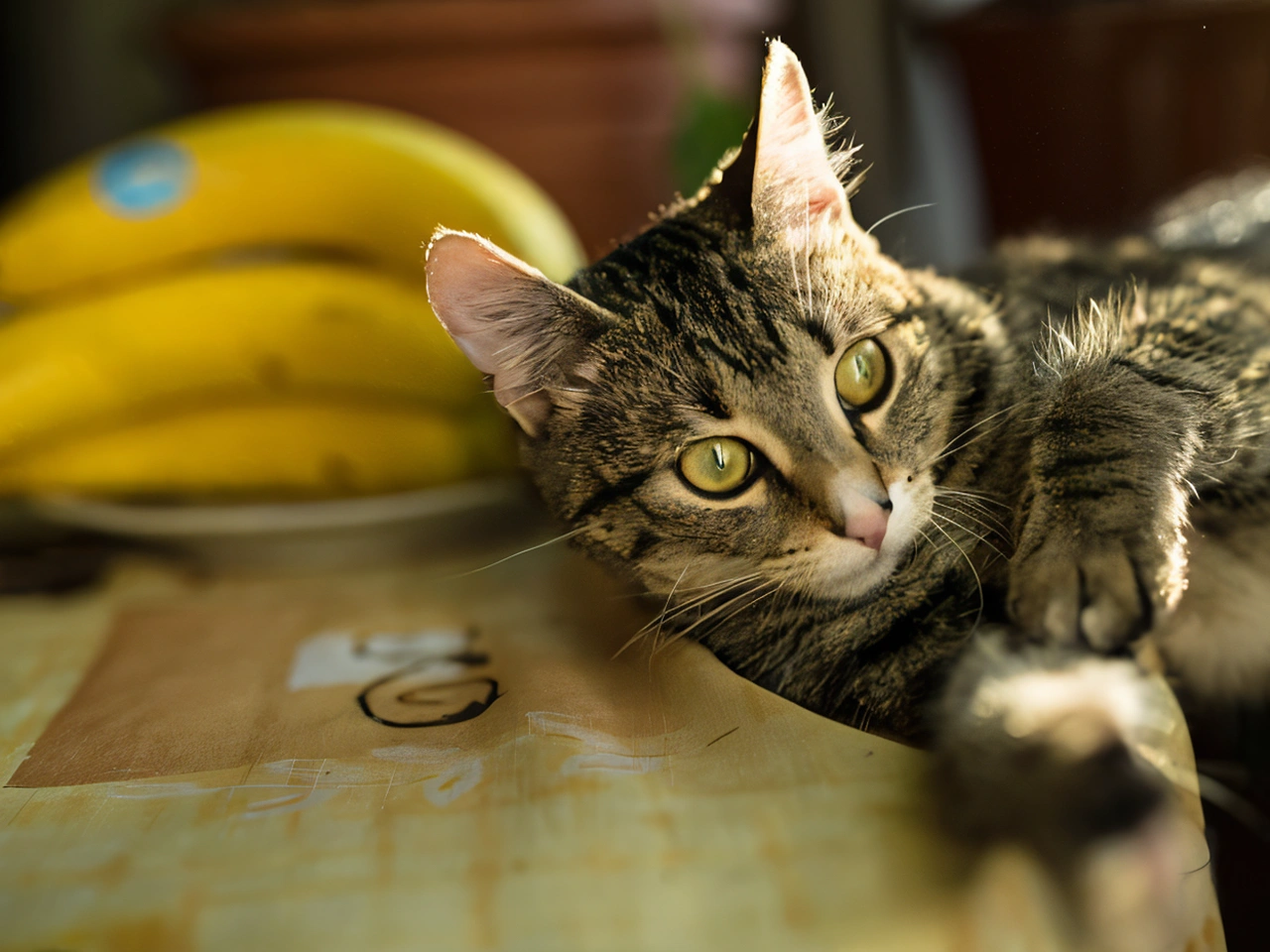
It can be worrying when your feline friend suddenly seems uncomfortable after trying a new snack. Knowing what to watch for can help keep your cat safe and prevent a small problem from becoming serious.
Signs to Watch For
- Vomiting: If your cat throws up after eating a banana, it could mean their stomach isn’t handling it well.
- Diarrhea: Loose or unusual stools can happen if a cat eats too much banana.
- Lethargy or odd behaviour: A cat that suddenly seems tired, restless, or irritable may be reacting poorly to the new food.
- Loss of appetite: Refusing regular cat food after trying a banana can signal discomfort.
- Allergic reactions: Swelling, excessive scratching, or skin irritation may indicate an allergy.
If any of these signs appear, it’s best to stop giving bananas and contact a veterinarian. Even though bananas are not toxic for cats, paying attention to your cat’s reactions helps keep your feline friend safe and happy.
Final Thoughts
Cats can enjoy a small bite of banana, but it should be given only occasionally as a treat. Bananas aren’t toxic, but they don’t provide the nutrients cats really need since cats are obligate carnivores.
A small slice can give a little potassium and fibre, making it a fun snack for curious cats or kittens. Giving too much, however, can upset their stomach and cause vomiting or diarrhea, so moderation is important.
Always remove the peel, watch your cat for any signs of discomfort, and consult a veterinarian if anything seems off. With a little care, sharing a small piece of a banana can be a safe and enjoyable treat for your cat.
Frequently Asked Questions
Are bananas safe for cats when they’re overripe?
Overripe bananas can be safe for cats if offered carefully, and some cats might even enjoy the soft, sweet fruit.
Check the banana: Make sure it’s soft but not mouldy or overly brown.
Small portions: A tiny piece from a medium banana is more than enough to avoid stomach upset.
Remove the peel: Banana peel is hard for cats to digest and should never be fed.
Watch your cat: Keep an eye out for vomiting, diarrhea, or unusual behaviour after they try it.
Make it occasional: With the right precautions, overripe bananas can be a fun, rare treat for your feline friend.
Why do some cats like bananas while others don’t?
Cats are all different, and while some may sniff and nibble at a banana, others couldn’t care less.
Curiosity first: Cats often explore new foods just to investigate the smell or texture.
Texture and aroma: The soft feel and sweet smell of banana can appeal to certain cats.
Individual taste: Just like people, cats have their own preferences when it comes to food.
Start small: Offer a tiny bite and see if your cat is interested.
Don’t force it: If your cat isn’t into bananas, it’s okay—there are plenty of other safe treats they can enjoy.
How can I get my cats to eat bananas safely?
Introducing bananas carefully helps your cat enjoy a tiny taste without upsetting their stomach.
Tiny portions: Begin with just a very small slice from a medium banana.
Remove the peel: Only feed the soft fruit and avoid the peel completely.
Treat, not a meal: Bananas are a fun snack, not a replacement for regular cat food or kitten food.
Watch reactions: Look for vomiting, diarrhea, or any signs of discomfort after their first bite.
Adjust as needed: If your cat seems hesitant or sensitive, it’s fine to skip future servings.
What are the best ways for cats to eat bananas safely?
A few simple steps can make it easy for your cat to try bananas safely and enjoyably.
Cut into small pieces: Tiny, bite-sized slices help prevent choking or stomach upset.
Serve plain: Skip banana bread or sugary treats—they aren’t safe for cats.
Mix carefully: Occasionally, you can add a tiny piece into a favourite cat treat if your cat is curious.
Supervise: Watch the first few times to see how your cat reacts.
Keep it rare: Bananas should be an occasional snack, not a regular part of their diet.
Are bananas healthy for cats as an occasional treat?
Bananas can be a small, healthy treat for cats, but they should never replace proper cat food.
Nutrient boost: A tiny bite provides small amounts of potassium, fibre, and vitamins that can gently support digestion and wellness.
Safe in moderation: Very small pieces are not toxic and are safe for most cats.
Not a meal: Bananas should never replace regular cat or kitten food.
Moderation matters: Excessive consumption can lead to vomiting, diarrhea, or excessive sugar intake.
Fun, occasional treat: Sharing a tiny bite lets your cat explore a new flavour safely and enjoyably.

