


TL; DR: Botflies in Dogs — Vet Guide and Why Spring Is Risky
- Botflies can end up on your dog when they explore areas where rabbits or rodents live.
- Spring, summer, and early fall are the most active times, so outdoor adventures can be riskier.
- You might notice a small lump or tiny hole on your dog’s skin, which is usually the first sign.
- These lumps often appear around the head or other exposed areas with thinner fur.
- Dogs can pick up larvae just by sniffing, digging, or playing near burrows.
- The area might get red, swollen, tender, or a little uncomfortable for your dog.
- If ignored, more serious reactions can sometimes happen.
- Taking your dog to the vet is the safest way to remove the larva and prevent infection.
- After treatment, keeping the spot clean and stopping your dog from licking or scratching helps it heal faster.
- Regular checks and brushing can help you spot any new lumps or bumps early.
- Avoiding areas where smaller animals, like rodents and rabbits, hang out lowers the chance of another problem.
- Watching your dog carefully and acting quickly is the best way to keep them healthy and happy during spring and summer.
If you notice a lump, hole, or unusual behaviour after outdoor play, don’t wait. Call us right away, and our professional vets will handle the problem. Your quick action can keep your dog safe and save a lot of stress.
Have you ever felt a small lump or noticed a tiny breathing hole on your dog’s skin after a walk? Botfly in dogs, also called cuterebriasis, can happen when bot flies lay their eggs near rodent or rabbit burrows, and a fly larva finds its way into the host’s body. Dogs don’t mean to get infested; it usually happens while sniffing around outside like they always do.
Botflies are most active in spring, summer and early fall, which is when dogs love exploring grassy areas and rodent burrows. Once the larval parasite moves beneath the skin, it can form a warble and cause swelling, abscesses, or a secondary infection. That’s usually when a veterinarian needs to step in and provide proper veterinary care.
Knowing this stuff makes it easier to protect your dog during outdoor adventures. A quick check after walks and early removal of the larvae can make a big difference. Read on to learn why botflies infest dogs and how veterinarians safely handle botfly infestations.
What Is Cuterebra and Cuterebriasis or Botfly in Dogs?
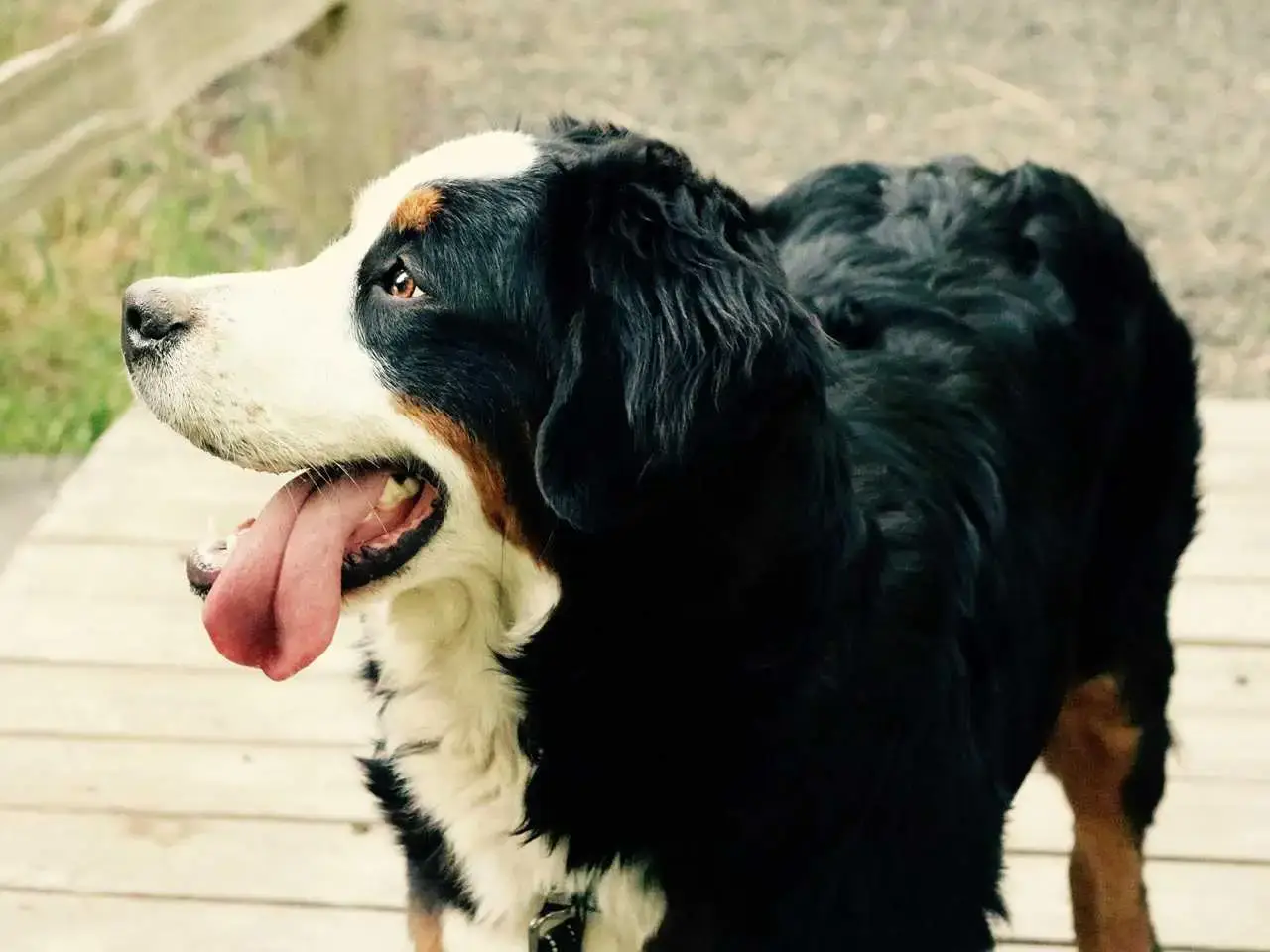
Cuterebra is a type of botfly, and cuterebriasis happens when its larvae end up under a dog’s skin. Bot fly larvae can burrow under the host’s skin and form small lumps that are easy to miss at first. Knowing a little about these botflies makes it easier to spot an infestation early.
Understanding Cuterebra and Cuterebriasis
Adult botflies lay eggs near burrows used by rodents and rabbits. When the eggs hatch, the larvae may migrate to a dog’s skin and burrow under it, turning the dog into an accidental host. Dogs often pick up larvae while exploring areas where small fossorial animals live.
- Adult botflies are rarely seen on pets; the main concern is the larva inside the dog’s skin.
- The larvae burrow beneath the skin, usually leaving a small hole in the centre.
- After some time, the larva can pupate and continue its life cycle away from the host.
Why It Matters
Understanding the difference between the adult fly, the eggs, and the larva inside the skin makes it easier to know what’s happening. Early awareness helps you inspect your dog and get veterinary medicine if needed.
- Cuterebra infection comes from the larva, not the adult fly.
- Dogs and cats are accidental hosts; smaller animals are the intended hosts.
- Knowing the basics can help prevent the infestation from becoming more serious.
Why Spring Is a Risky Season for Botfly Infestation in Dogs

Spring and early summer are the times when botflies in dogs are most active. Adult botflies lay their eggs near rabbit and rodent burrows, and when the eggs hatch, the larvae migrate until they find a host’s skin. Dogs spending time outside in these areas are more likely to pick up larvae without anyone noticing.
How Botflies Are Active in Spring
Botfly eggs are often placed around the entrances of burrows used by small fossorial animals. When the larvae hatch, they move toward exposed skin and start burrowing under it. Dogs and cats aren’t the intended hosts, but they can end up carrying the larvae if they spend time sniffing or playing near these burrows.
- Larvae may trigger a mild inflammatory response syndrome in the surrounding tissue.
- The larval stage can last through late summer, and the larvae eventually pupate after leaving the host.
- Areas with rabbit and rodent activity are the spots to watch when your dog is exploring.
Why Dogs Need Extra Attention
Warmer weather means more time outdoors, which is exactly when botflies lay their eggs. Dogs sniffing or running around these burrows are at higher risk of infestation.
- Botflies lay their eggs where small animals, like rodents, are active, increasing exposure risk.
- Larvae migrate quickly and can settle in exposed skin without obvious signs.
- Keeping an eye on your dog during spring and early summer helps spot problems before veterinary practice is needed.
How Botflies and Larval Parasites Infest Dogs
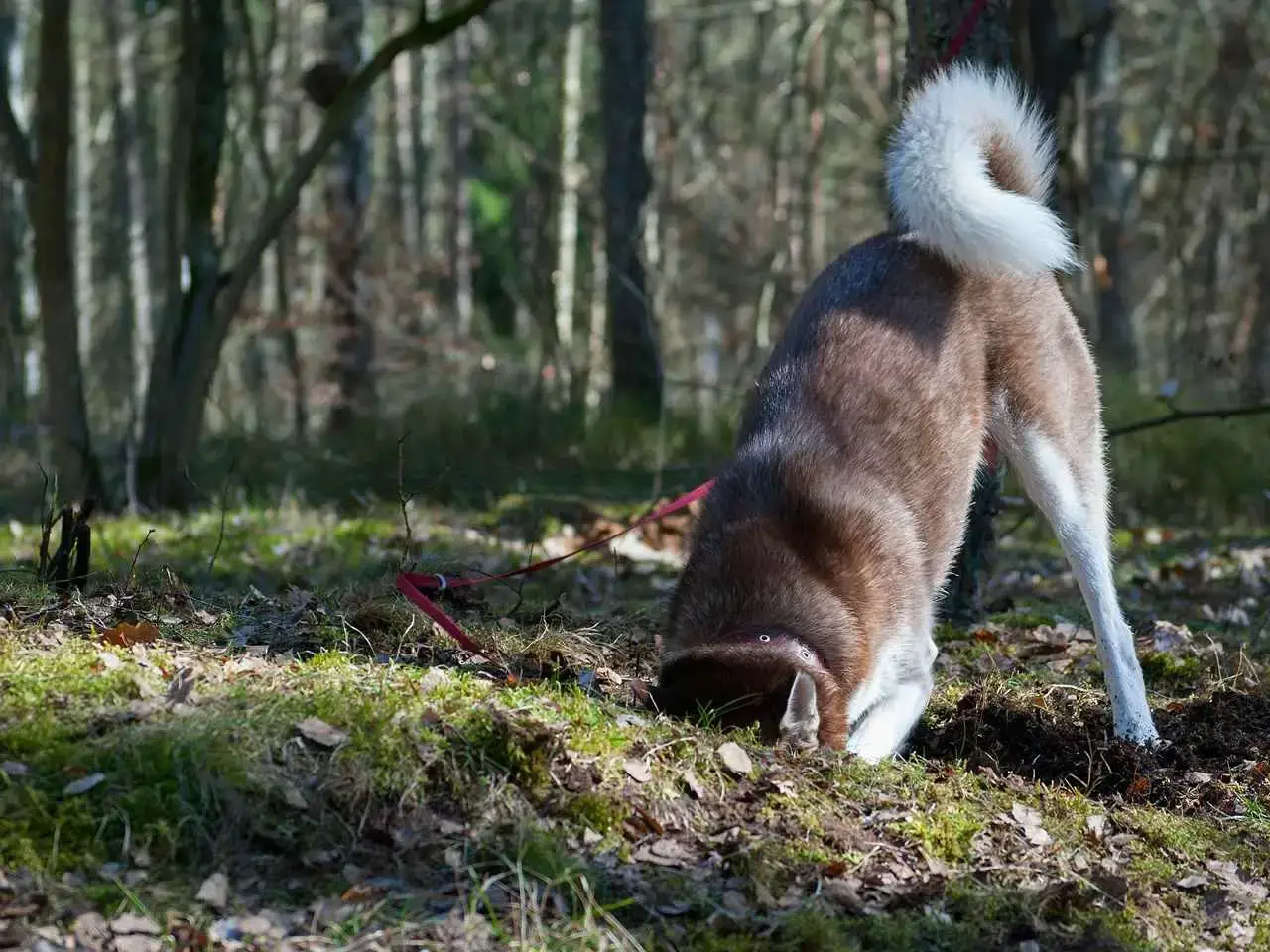
Botflies in dogs start their life when an adult botfly lays eggs near the entrances of rabbit or rodent burrows. Once the eggs hatch, the maggots move until they find exposed skin and begin developing. This is why infestations can happen without anyone noticing right away.
How the Larvae Infest
After hatching, the larvae burrow under the skin of dogs and cats. Dogs can become hosts just by sniffing or exploring areas where rabbits or rodents live. The larvae usually stay under the skin through summer and fall before leaving to pupate elsewhere.
- Larvae often settle around the head or other spots with thinner fur.
- The skin around the larva may swell and become tender.
- If ignored, the infestation can cause a systemic inflammatory response syndrome in the dog.
- Veterinary practice can remove the larva safely before it causes bigger problems.
How Dogs Pick Up Larvae
Dogs are most at risk when they explore outdoor areas used by rabbits, rodents, or other small mammals. The eggs are laid near burrows, and the larvae migrate quickly once they hatch.
- Places with burrows or animal trails are the main hotspots.
- Dogs sniffing or digging around these areas are more likely to pick up larvae.
- Checking your dog regularly helps spot the problem early and prevents serious reactions.
Symptoms of Bot Flies or Cuterebra Infestation and Warbles in Dogs
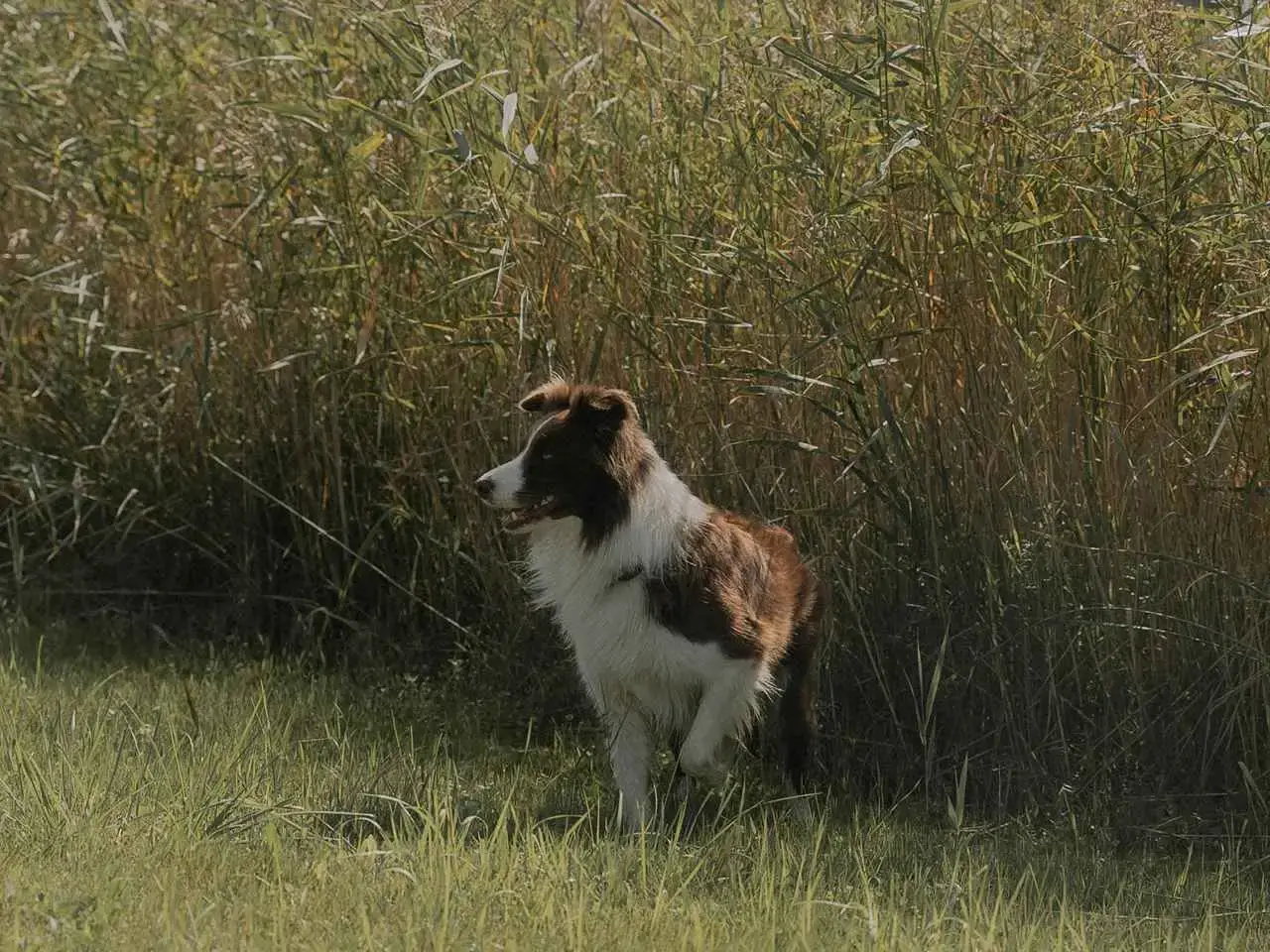
Botfly infestations happen when larvae from the cuterebra species start developing under the skin of dogs. At first, it can be easy to miss, but spotting the signs early can prevent your dog from getting uncomfortable or having more serious issues. The most obvious clue is usually a warble, a small raised bump where a larva is living under the skin.
How Warbles Look
Warbles are small lumps that often occur around the head or other exposed areas. These bumps have tiny openings where the larva breathes, and the skin around them can get red or irritated. Noticing these early makes it much easier to remove a botfly safely.
- Small raised bumps under the skin.
- Tiny openings at the surface for the larva to breathe.
- Red, swollen, or tender skin around the lump.
- Slight discharge or fluid at the opening.
- Dogs licking, chewing, or scratching at the spot.
- Swelling that spreads a little beyond the bump.
Other Signs to Watch
Larvae under the skin can also affect your dog’s mood and overall comfort. Keeping an eye out for these signs helps prevent an allergic reaction or a systemic inflammatory response.
- Restlessness or seeming more agitated than usual.
- Grooming or rubbing the same spot repeatedly.
- Favouring certain spots or walking carefully to avoid pressure on sensitive areas.
- Mild fever or low energy if the body is reacting to the larva.
- Pain or tenderness that makes your dog sensitive around the area.
- In rare cases, more serious issues like disseminated intravascular coagulation may occur.
- Increased sensitivity around areas where larvae occur.
From Vet to Home: Removing Botflies and Keeping Your Dog Safe at Home

If your dog ends up with a botfly, the safest move is to take them straight to the vet. Getting the larva removed the right way and keeping an eye on how your dog heals can prevent a lot of discomfort and bigger problems. Trying to pull it out at home is risky because it can push the larva deeper, cause infection, or even trigger a bad reaction.
How Vets Remove Botflies in Dogs
Veterinarians know exactly how to remove the larva without hurting your dog. They do it carefully and make sure the area is cleaned properly so your dog stays safe and comfortable.
- The vet gently takes the larva out from under the skin.
- The area is treated to prevent infection.
- Sometimes medication is given to reduce swelling or irritation.
- The vet checks for signs of an allergic reaction or other complications.
- Sterile tools and careful techniques make the process safe.
- A follow-up visit may be scheduled to make sure everything is healing well.
Caring for Your Dog’s Skin
After the larva is removed, the spot needs a little extra care. Paying attention at home can help your dog heal faster and avoid problems.
- Keep the area clean and dry as your vet suggests.
- Watch for swelling, redness, or unusual discharge.
- Try to stop your dog from licking or scratching the spot.
- Follow your vet’s instructions for any ointments or coverings.
- A follow-up check can catch any issues early.
Preventing Future Infestations
Once your dog has healed, it’s smart to take steps to avoid another botfly problem. Paying attention to where your dog spends time outside can make a big difference.
- Watch for areas where rabbits or rodents are active.
- Avoid letting your dog explore areas where eggs at the entrance of burrows or eggs around the openings might be present.
- Check your dog’s skin regularly for unusual lumps or bumps.
- Limit outdoor activity in high-risk areas during peak botfly season.
- Keep up with grooming and brushing, especially after walks or hikes.
- Make sure everyone in the household knows what to look for so problems are noticed early.
Staying Ahead of Infestations
A little prevention goes a long way. Watching your dog and their surroundings can help you avoid another run-in with botflies.
- Keep an eye on outdoor spaces where small animals are active.
- Inspect your dog after walks, hikes, or time spent in wildlife areas.
- Spotting issues early lets the vet take care of them before they become bigger problems.
Final Thoughts
Botflies can sneak onto your dog before you even notice, and spring to early fall is when they are most active. After a walk or outdoor play, checking your dog for little lumps or bumps can save a lot of trouble later.
Vets know the safest way to remove the larvae and treat the area so your dog doesn’t get sick. Once your dog is healed, a little care at home and regular checks make a big difference.
Paying attention to spots where rabbits or rodents hang out in spring can help prevent another infestation. With some simple habits, your dog can enjoy the season outside safely and stay happy and healthy.
Frequently Asked Questions
How can seasonal changes affect the risk of botfly infestations in dogs?
Botflies show up more during certain times of the year, and spring and early summer are the riskiest. Knowing when they’re most active can help you be extra careful with your dog.
Warm months bring more activity: Botflies are out laying eggs, and larvae are more likely to find your dog.
More outdoor time: Dogs spend more time running and sniffing in the grass, which increases the chance of contact.
Faster development: Warmer weather helps the larvae grow quickly, so infestations can happen before you even notice.
Extra vigilance pays off: Checking your dog often during these seasons helps catch anything early.
Are certain dog breeds more prone to botfly infestations than others?
Any dog can get a botfly, but some breeds are easier to spot or more likely to pick up larvae. It often depends on coat type and how curious your dog is outside.
Short-haired dogs: Lumps and bumps are easier to see, so infestations get noticed sooner.
Long-haired dogs: Thick fur can hide lumps, making it easier to miss early signs.
Active outdoor breeds: Dogs that love sniffing, digging, or exploring are naturally more exposed.
Personality matters: Curious dogs that explore burrows or small animal trails have a higher chance of picking up larvae.
What preventive measures do veterinarians recommend during peak botfly season?
Preventing an infestation is always better than dealing with one, and vets have simple advice to help.
Check your dog often: Look for lumps or bumps after walks or outdoor play.
Avoid risky areas: Keep dogs away from places where rabbits or rodents are active.
Supervise outdoor time: Watch your dog closely when exploring grassy or wooded areas.
Groom regularly: Brushing removes dirt and potential larvae before they can burrow.
Act fast: If you notice anything suspicious, call your vet right away.
Can indoor dogs still get botflies, or is it only an outdoor problem?
Most infestations happen outdoors, but indoor dogs aren’t completely safe. Even a little outdoor exposure can put them at risk.
Short walks can matter: A quick trip to the yard or a walk in a park near wildlife is enough for larvae to find your dog.
Wildlife nearby: Rabbits, rodents, or wooded areas near your home increase the risk.
Accidental contact: While rare, larvae can sometimes hitch a ride on shoes or objects.
Still lower risk than outdoor dogs: Indoor dogs are generally safer, but a little attention during peak season goes a long way.
Are there any long-term health effects after a dog has had a botfly removed?
Most dogs bounce back quickly once the larva is taken out, and serious problems are rare. A little care after treatment helps everything heal smoothly.
Skin heals well: The area might be tender for a few days, but it usually recovers completely.
Prevent infection: Keeping the spot clean and following your vet’s instructions helps avoid complications.
No lasting harm: Once treated, dogs generally have no long-term issues from a single infestation.
Keep checking: Regular inspections make sure new lumps or infestations are caught early.

