


TL;DR: Why Dogs Pee Blood
- Common causes: Blood in your dog’s urine (hematuria) can be from urinary tract infections, bladder or kidney stones, trauma, or even prostate issues in male dogs. Age and underlying health conditions can also play a role.
- Underlying Issues Triggered by Cold: Cold weather can also trigger bladder infections and make pre-existing urinary issues worse. It can also aggravate conditions like arthritis, leading to stress, which is linked to lower urinary tract issues.
- Early detection matters: Monitor urination patterns, behaviour changes to help catch problems before they get worse.
- Professional care makes a difference: Vets use exams, urinalysis, blood work, and imaging to pinpoint the cause — then create a treatment plan just for your dog. Early intervention often leads to better outcomes.
- Comfort & safety first: Your dog’s exam and treatments are designed to minimize stress and ensure safe, thorough care.
- Preventive & supportive steps at home: Keep your dog hydrated, watch for changes in energy or appetite, and keep an eye out for any signs of pain or straining during urination — small observations can make a big difference.
Have questions? We’re here to help you understand your dog’s urinary health, guide you through the next steps, and make sure your dog stays happy, healthy, and comfortable.
Seeing blood in a dog’s urine can be alarming for any dog owner, and it’s natural to feel worried when you notice it. Sometimes it’s just a mind, passing issue, like a little irritation, but other times it could mean something more serious is going on with your dog’s bladder, kidneys, or urinary tract.
Knowing what’s normal, what’s not, and when to act can make all the difference for your dog's health. In this blog, we’ll explore the common causes of blood in dog urine, when to seek vet care, and what steps you should take to keep your dog safe.
Blood in Dog Urine: What You Need to Know
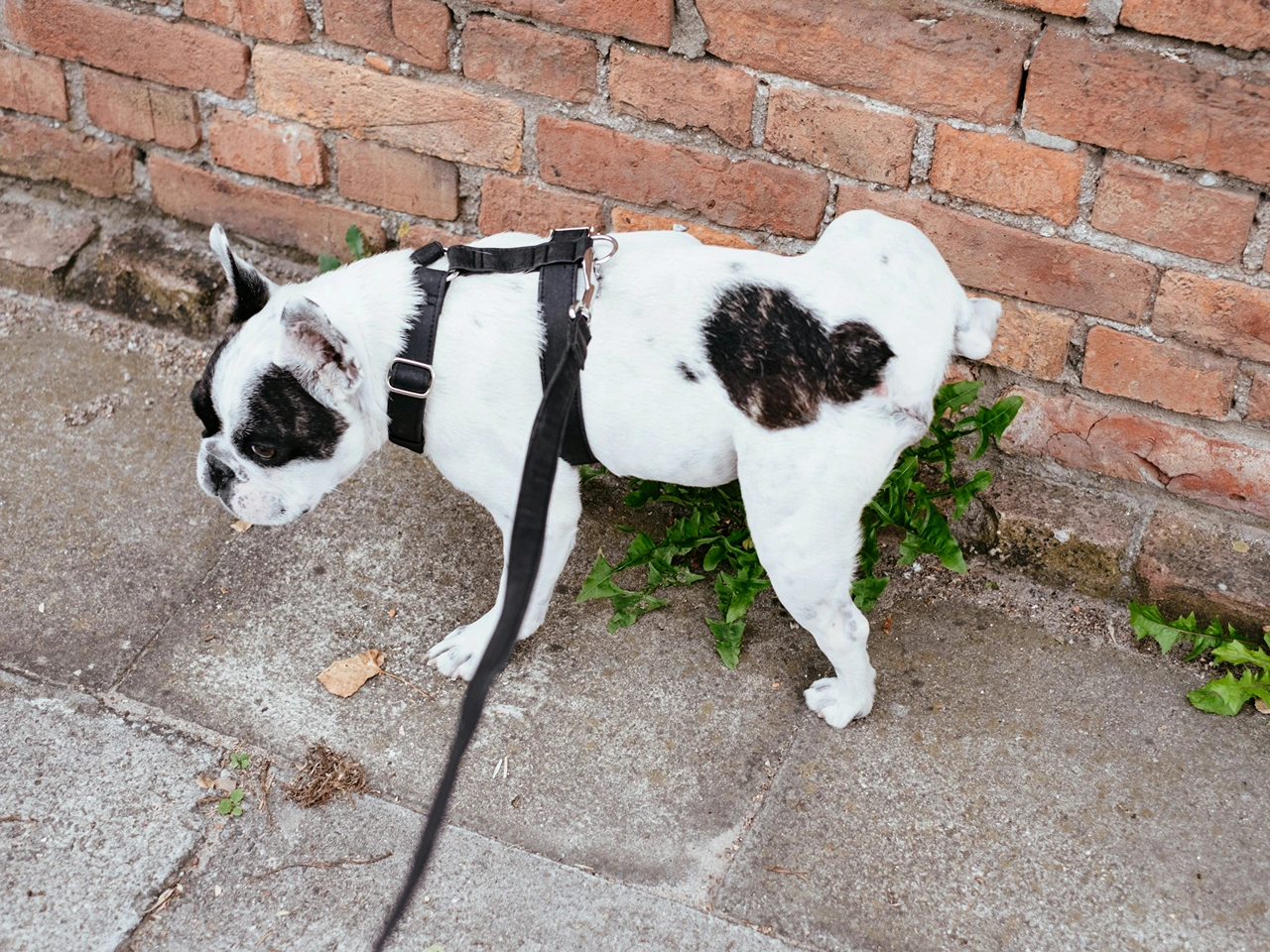
The medical and technical term for blood in urine is hematuria. Simply put, it means there is blood and urine mixing together.
Sometimes blood in the urine is obvious, but not always. Urine may appear pink, red, brownish, or just slightly cloudy. In other cases, urine is not always visibly red, and blood is only detected during a urine test that finds red blood cells under the microscope. This is why discoloured urine doesn’t automatically mean there’s blood, and red colouring can sometimes come from food, medication, or pigments.
It’s also important to watch the colour of the urine alongside other symptoms your dog may show. Mild changes can be a common cause for concern, while more intense changes may point to conditions that cause blood or lead to blood appearing suddenly.
Causes of Blood in Urine

There are many possible causes and potential causes behind blood in a dog’s urine, ranging from mild irritation to serious conditions that can cause damage to the urinary system. Understanding these causes helps you know when prompt veterinary care is needed.
Urinary Tract Infection
One of the most common reasons vets see, especially in cases that include urinary tract infections of the bladder or urethra. These infections inflame the lining, allowing bacteria and white blood cells to irritate tissues and cause bloody urine.
Bladder Stones and Kidney Stones
Mineral buildup or crystal formation can scrape the bladder or kidney lining. When that happens, it’s not unusual to see blood mixed in with the urine.
Trauma or Injuries
Accidents, rough play, falls, or internal injuries can damage the urinary tract. Even injuries you didn’t witness can sometimes explain sudden bleeding in urine.
Bladder Tumors
These abnormal growths are more common in an older dog and may cause ongoing or recurring blood in the urine that doesn’t clear up on its own.
Prostate Problems
In male dogs, the prostate can be a source of bleeding. Inflammation or enlargement may not be obvious at first but can still show up as blood in urine.
Toxic Substances
Some poisons, like rat poison, mess with your dog’s blood clotting. That can cause unexpected bleeding, and sometimes you might even see blood in their urine.
Cold or Environmental Triggers
Cold weather can sometimes bother a dog’s urinary tract, especially if they’re already prone to infections or inflammation, and that can make a little blood show up in their urine.
Age-Related Conditions
As dogs get older, senior dogs are more likely to develop chronic kidney or bladder issues, which raises the risk of urinary bleeding.
Sex-Related Factors
A female dog may experience urinary issues linked to anatomy or infections, while male dogs are more prone to prostate-related problems that can cause bleeding.
What to Do if Your Dog is Peeing Blood

Seeing blood in your dog’s pee can be really scary, but try not to panic. A few simple, practical steps can go a long way when it’s time to check in with your vet.
- Keep an eye on how often your dog pees: Notice if your pup is heading outside more than usual or squatting a lot. Extra trips out can be an early hint that something’s irritating their bladder or there’s an infection.
- Jot down when it started: Write down the first time you noticed blood or any changes in how your dog pees. Having a timeline ready can really help your vet figure out what’s going on.
- Check for other behavioural changes: Pay attention to subtle signs like restlessness, reduced energy, or pain when peeing, such as whining or hesitating before urinating.
- Collect a urine sample if possible: If your dog allows it, collect a fresh urine sample in a clean container. This simple step can save time and make testing more accurate.
- Maintain proper hydration: Encourage your dog to drink water throughout the day. Staying well-hydrated can help dilute the urine and may ease irritation.
- Look for other signs: Pay attention if your dog seems extra tired, isn’t eating like usual, is straining, or has accidents inside. These little details can really help, especially if the symptoms stick around.
Your dog might act mostly normal at first, but small changes combined with bloody urine shouldn’t be ignored.
When to Seek Veterinary Care
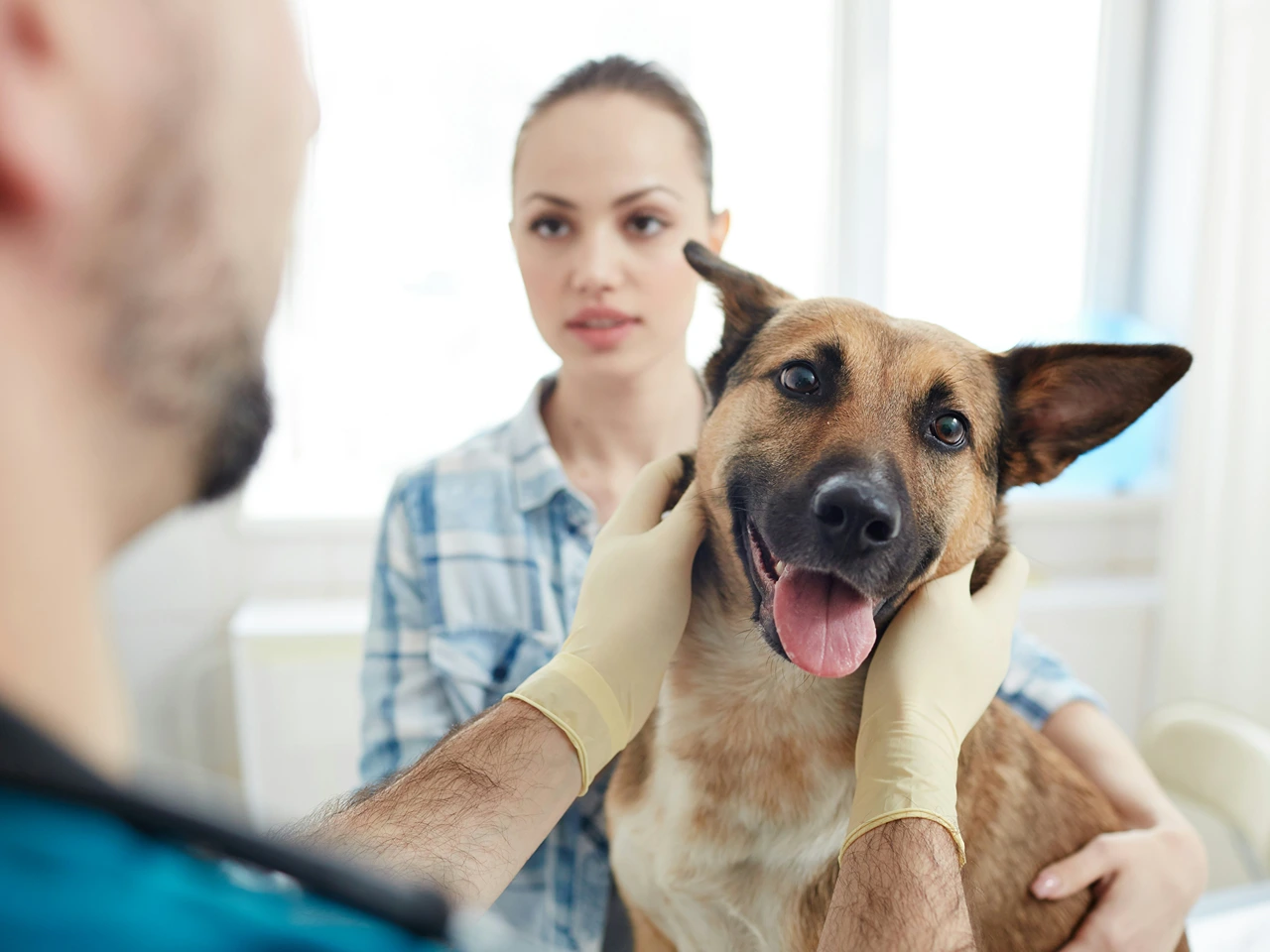
Some situations should never wait. If you notice any of the signs below, it’s best to head to an emergency vet right away, as delays can make things worse.
- Immediate emergency situations: Large amounts of blood in the urine or a sudden collapse are serious warning signs and need urgent attention.
- Signs your dog is in serious pain: If your pup is crying, pacing, shaking, or just won’t move, it’s a clear sign they’re hurting and need help right away.
- When several symptoms show up together: If blood in the urine comes with a fever, vomiting, or diarrhea, it usually means something more serious is going on and shouldn’t wait.
- Changes in how your dog pees: If your pup is having trouble starting, straining, or keeps trying without much success, it could mean a blockage or serious irritation.
- Blood clots in the urine: Thick strands, clumps, or dark red clots aren’t normal—consider them a big red flag.
- Lethargy or weakness: If your dog seems unusually tired, weak, or unresponsive, especially with other symptoms, veterinary care should not be delayed.
How Vets Diagnose and Treat Bloody Urine in Dogs

When your dog has blood in their urine, vets focus on calmly finding the exact source of the problem so treatment can start without delay.
Physical Examination
The visit usually starts with a gentle, hands-on checkup. Your vet will carefully feel your dog’s belly and bladder while keeping an eye on their overall health, comfort, and hydration.
Common Diagnostic Tests
To figure out what’s really going on, vets usually do a urine test, urine culture, and some blood work. These tests help pinpoint why your dog’s peeing blood and check how their organs are doing.
Urinalysis and Blood Work
These tests check your dog’s urine for red and white blood cells, bacteria, and crystals, and even peek at the urine’s pH to give hints about infections, stones, or irritation.
Imaging Tests
If needed, vets might use X-rays or an ultrasound to take a closer look at the urinary tract and check for bladder stones, kidney stones, tumours, or any structural issues.
Medications and Antibiotics
When an infection is confirmed, your vet will prescribe the right antibiotic, often guided by urine culture results, to target the bacteria effectively.
Dietary Changes, If Needed
Some dogs do really well on special diets that help dissolve crystals, keep their urinary system healthy, and lower the chances of blood showing up in their urine again.
Once the cause is confirmed, your vet will put together a tailored diagnosis and treatment plan. The exact plan depends on what the vet finds, but spotting the problem early usually means a smoother, faster recovery for dogs dealing with blood in their urine.
Final Thoughts
Noticing blood in your dog’s pee can be pretty scary, but try to stay calm. Sometimes it’s nothing to worry about, and other times it could mean something’s up. Watching their urine colour, behaviour, and any other unusual signs can really help you figure out if a vet visit is needed.
Getting your dog checked by a vet early is the safest move, and it often means problems can be treated more easily. With the right care, many dogs bounce back quickly and get back to their happy, normal selves. When in doubt, trust your instincts—your dog can’t tell you what’s wrong, so you’ve got to speak up for them.
Frequently Asked Questions
What are the causes of hematuria?
Hematuria can develop for several reasons, ranging from mild irritation to serious internal disease, and identifying the cause is key to proper treatment.
Urinary tract infections (UTIs): Bacterial infections can inflame the bladder or urethra—making the lining fragile and sometimes causing blood in the urine.
Bladder or kidney stones: Crystals or stones can scrape and irritate the urinary tract, which may lead to blood showing up in the urine.
Trauma or internal injury: Sometimes your pup might get hurt from a fall, an accident, or just rough play, and it can mess with their urinary system—even if you don’t see any cuts or bruises.
Tumours or abnormal growths: Older dogs can sometimes develop growths in their bladder, which often show up as blood in their urine that keeps coming back.
Prostate-related conditions: In male dogs, an enlarged or inflamed prostate can leak blood into the urinary stream.
When should I call my veterinarian?
Sometimes a little blood might not be an emergency, but there are signs you shouldn’t ignore.
Sudden or heavy bleeding: If you see a lot of blood all at once or it gets worse really quickly, don’t wait—get your dog checked by a vet right away.
Pain or distress is clear: If your dog is whining, shaking, pacing, or crying when they go potty, it’s a sign they’re in real discomfort.
Difficulty urinating: Straining, repeated squatting, or producing little to no urine may indicate a blockage.
Multiple symptoms at once: If your dog has blood in their urine and is also running a fever, vomiting, or has diarrhea, it’s usually a sign something serious is going on—and they need to see a vet fast.
Lethargy or weakness develops: A sudden drop in energy or responsiveness can point to systemic illness or blood loss.
What are the treatment options for blood in urine?
Treatment really depends on what’s causing it, so vets usually focus on figuring that out first.
Medications like antibiotics: When your dog has an infection or inflammation, the vet will give medicine to ease the irritation and clear out the bacteria.
Pain relief and supportive care: Managing discomfort and stress helps dogs recover more comfortably during treatment.
Diet tweaks: Your vet may recommend a special diet to help dissolve crystals or prevent stones from forming.
Extra fluids: Making sure your dog stays hydrated—sometimes even with IV fluids—helps flush their urinary tract and keeps their kidneys healthy.
Surgery or advanced care: If your dog has tumours, big stones, or other serious issues, they might need surgery or more specialized treatment to fix the problem.
What should I do if I see blood in my dog’s urine?
Staying calm and observant helps you provide useful information to your vet and support your dog.
Keep an eye on urine colour and how often they go: Watch for changes like pink, red, or brown urine, and see if your dog is peeing more than usual.
Track the timeline: Jot down when you first noticed the blood and whether it’s getting better or worse.
Watch for behaviour changes: Restlessness, reduced appetite, or hesitation before peeing can be important clues.
Collect a fresh urine sample: If possible, a clean sample can speed up testing and diagnosis at the clinic.
Encourage hydration: Make sure your dog drinks water regularly to help dilute urine and reduce irritation.
How can I prevent my dog from peeing blood?
Not all cases are preventable, but good daily care can lower the risk of urinary issues.
Keep them hydrated: Make sure your dog always has fresh water—staying hydrated helps flush their urinary system and keeps their kidneys and bladder healthy.
Offer plenty of bathroom breaks: Don’t let your pup hold it for too long, since that can irritate the urinary tract and raise the risk of infection.
Monitor urinary habits: Early detection of changes in urination or behaviour allows faster intervention.
Stick to vet-recommended diets: Special diets can help prevent crystals or stones, especially in dogs that are prone to them.
Keep up with regular checkups: Routine vet visits help catch age-related or ongoing health issues before they turn into bigger problems.

