
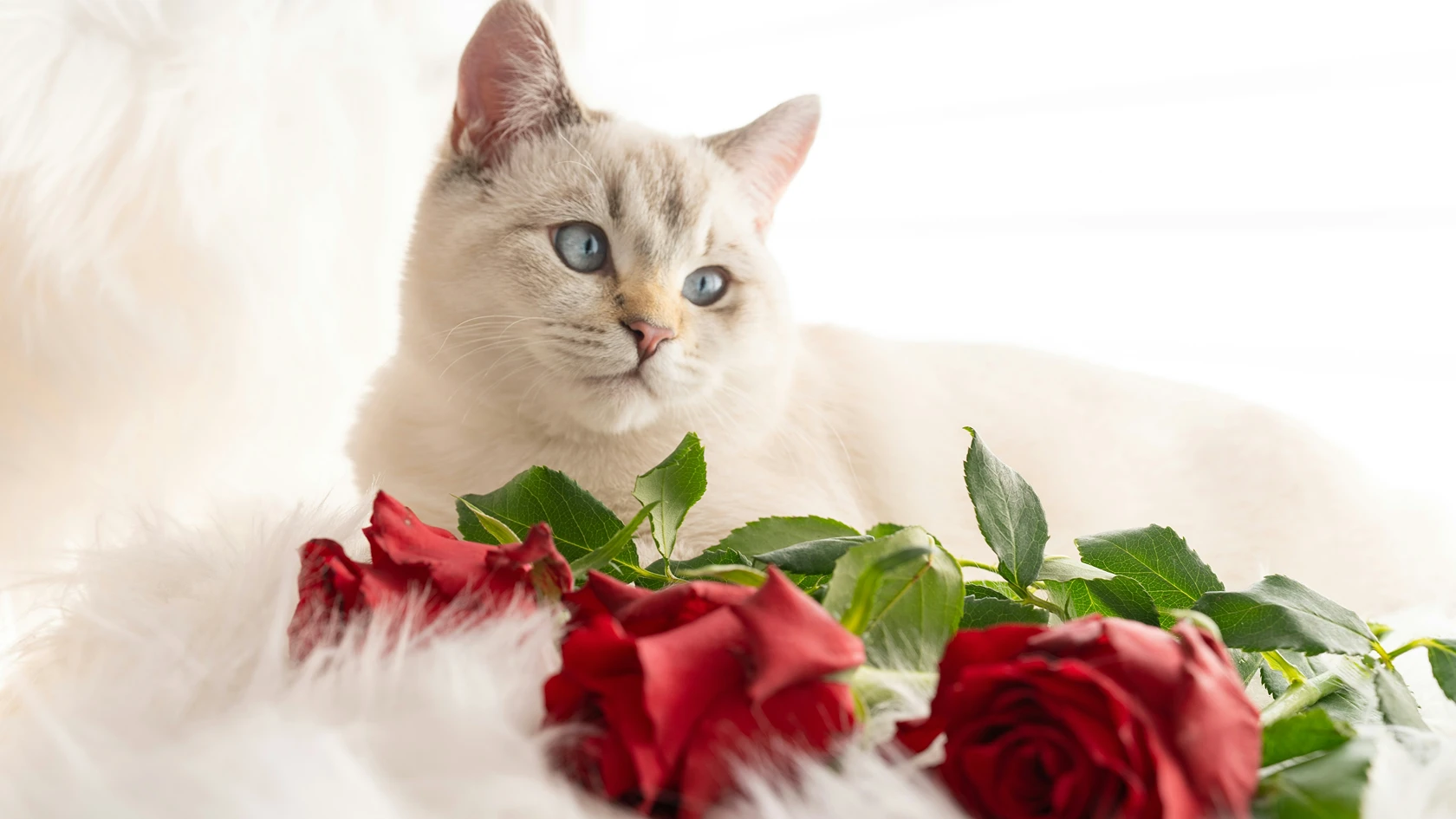

TL;DR: Are Roses Safe for Cats?
- Petals are usually safe: Most cats can nibble on rose petals without serious issues, though eating large amounts may cause mild digestive upset if they ingest too much plant material.
- Watch out for thorns: The biggest risk comes from chewing on thorns, which can injure your cat’s mouth, tongue, throat, or paws.
- Be mindful of chemicals: Store-bought bouquets and garden roses may contain pesticides, fertilizers, or floral preservatives that can be harmful to cats.
- Monitor cats: If your cat enjoys exploring plants or likes to use their paws to investigate flowers, check arrangements regularly for potential hazards.
- Prevention is key: Keeping your pets away from treated flowers and removing thorny stems can help reduce the risk of injury or stomach upset.
- When to seek help: Contact your vet if your cat develops persistent vomiting, diarrhea, signs of discomfort, or if you suspect exposure to chemicals.
Have questions about plant safety for your cat? Contact us. Our team is happy to help you create a pet-friendly home and choose alternatives that keep your cat safe and healthy.
Could a beautiful rose in your home put your cat at risk? Many pet owners love decorating with flowers, but it’s important to know which plants and flowers are safe to keep around pets. Fortunately, true roses are generally considered non-toxic to cats, making them one of the safer choices for a house with cats. Still, there are a few hazards to watch for, including thorns, chemicals, and excessive nibbling.
In this blog, we’ll take a closer look at whether roses are toxic to cats, the potential risks they can still pose, and how to keep your cat safe around floral arrangements. Knowing the difference between toxic and non-toxic plants can help you keep your pet safe while still enjoying some of your favourite flowers at home.
Are Roses Poisonous to Cats?
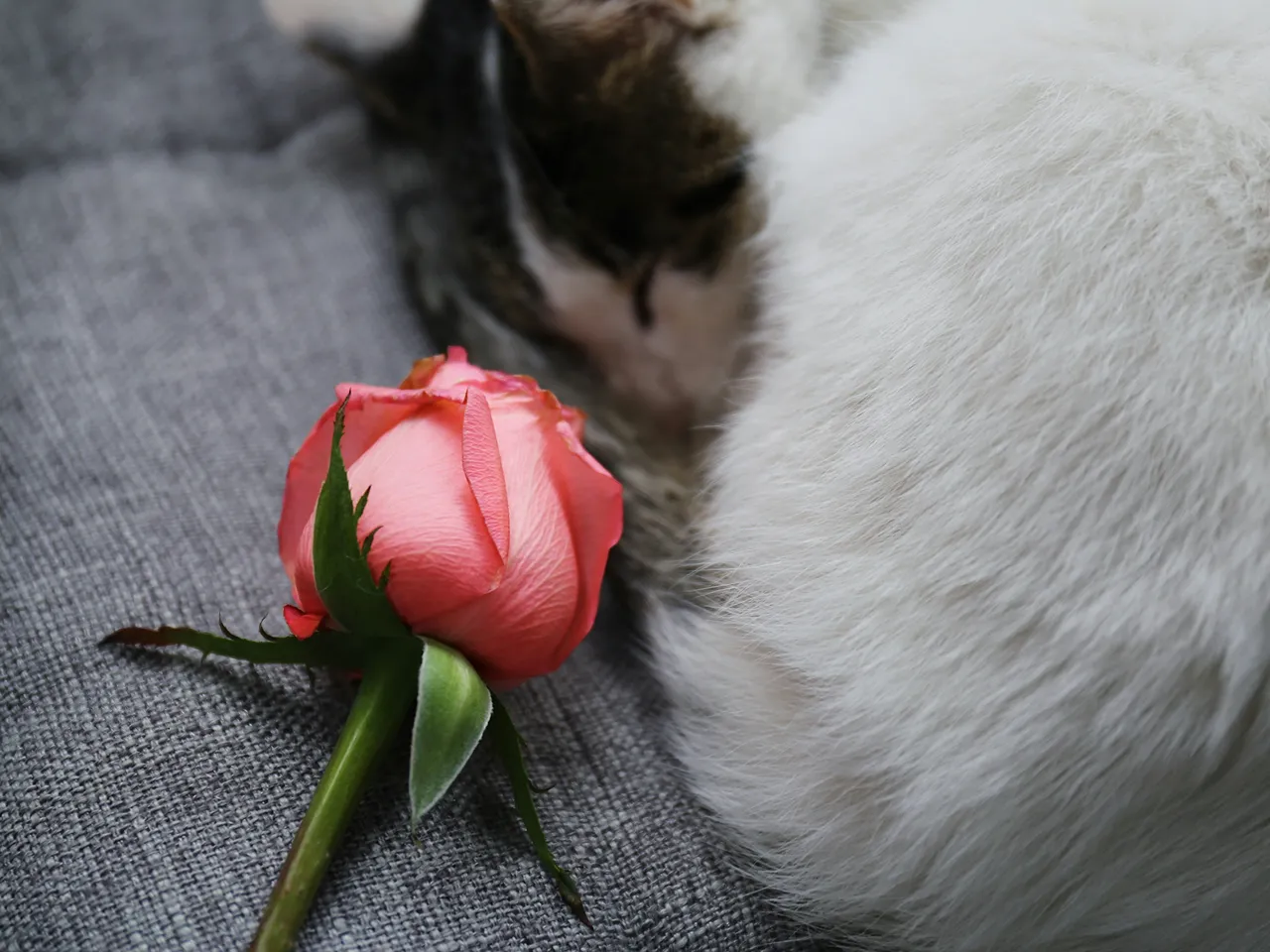
The good news for pet owners is that roses are not toxic to cats. Members of the safe genus, Rosa, which belongs to the family Rosaceae, are considered non-toxic and are not associated with serious poisoning in cats. If your curious cat decides to chew on a rose bush or flower, the toxicity is only a concern when other substances, such as chemicals, are involved. In general, roses aren’t considered dangerous to your feline friend when consumed in small amounts.
That doesn’t mean all risk goes away. Rose thorns can cause injuries in the mouth, tongue or paw. The use of pesticides on a rose plant may be more toxic than the petals themselves, and a bouquet of roses treated this way can expose pets to chemicals. Excess plant material can cause mild stomach upset in cats, and owners might notice mild vomiting or diarrhea afterward.
Non-Toxic Rose Varieties
- Hybrid Tea Roses (Rosa): These classic roses are among the most popular true roses and are generally safe when kept away from treated chemicals.
- Miniature Roses: Small and decorative, miniature roses are a great option for owners looking for flowers around their homes that are less concerning for pets.
- Climbing Roses: These garden favourites can beautify a lawn or garden, though owners should still be mindful of their thorn-covered stems.
- Wild/Heirloom Roses: Traditional rose varieties remain one of the more reliable, safe options among ornamental flowering plants.
- Floribunda Roses: Known for abundant blooms, Floribunda roses can be enjoyed in pet-friendly spaces when properly maintained and monitored.
Can a Cat Eat Rose Petals or Rose Plants?
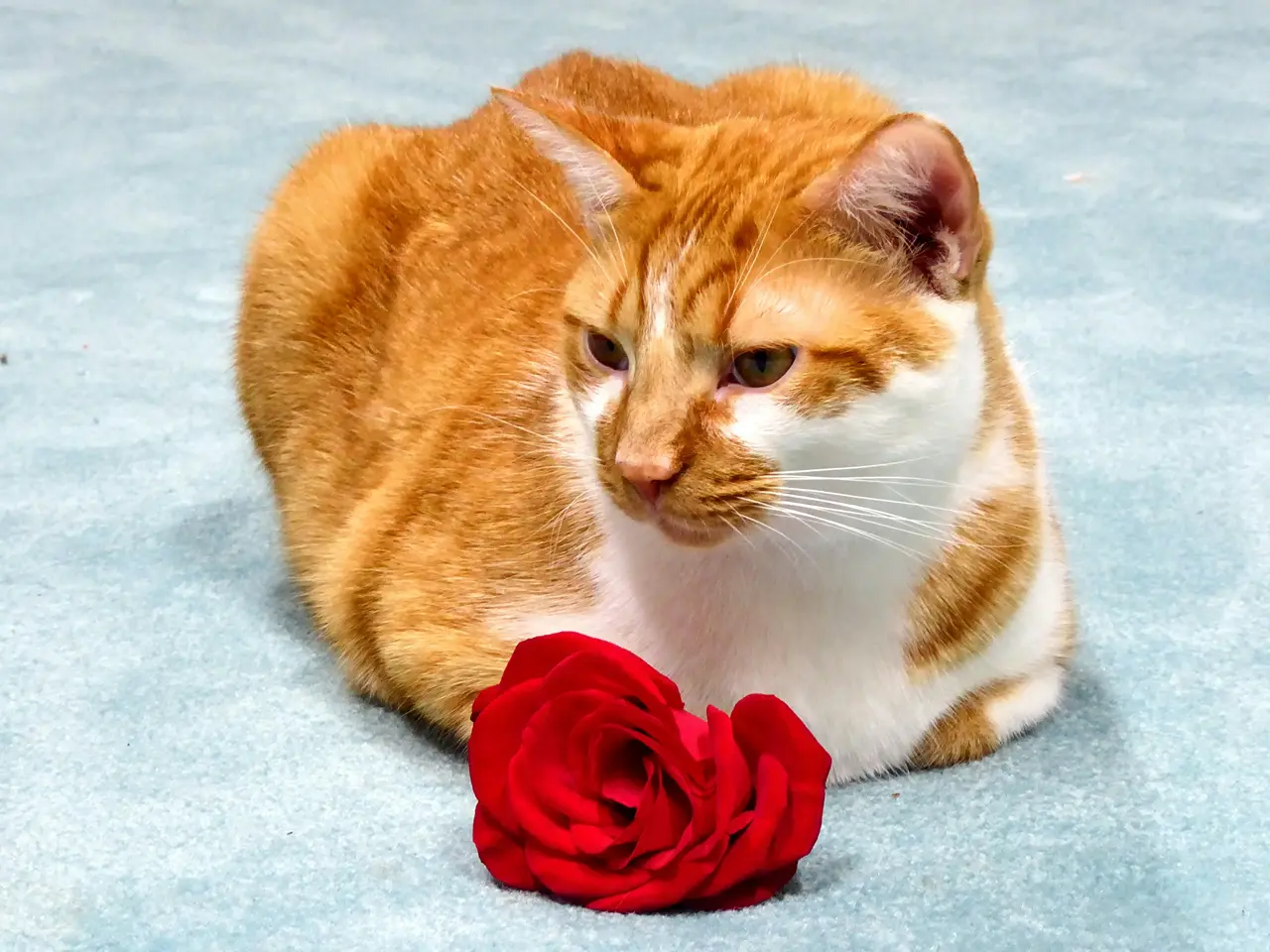
While roses are generally considered safe for cats, that doesn’t mean they should be encouraged to snack on them regularly. Like many types of flower or plant material, roses can still cause digestive upset if too much is eaten.
Avoid Stems and Thorns
The biggest concern is often the stem rather than the petals. The sharp thorns can injure a cat’s mouth, tongue, or throat, and the thorns along their stems may cause cuts or irritation if swallowed.
Leaves Pose a Low Toxicity Risk
Rose leaves are not considered toxic to cats, so an occasional bite is unlikely to be dangerous. That said, eating too many leaves can still upset your cat’s stomach and cause digestive discomfort.
Store-Bought Roses May Have Chemicals
Know that roses bought from florists or stores may have been treated with pesticides, preservatives or other chemicals. Before bringing flowers home, take some time to inquire about pet-safe options to help keep your cat safe around flowers.
May Cause Vomiting
Even though roses are generally not toxic, eating too many petals, leaves, or other plant parts can upset a cat’s stomach. If that happens, your cat may experience vomiting, diarrhea, or other temporary digestive issues.
What to Do if Your Cat Has Eaten a Rose?
If your cat has chewed on or eaten part of a rose, there is usually no need to panic. However, it’s still important to monitor your pet closely, especially if the rose was treated with chemicals or contained thorns.
- Signs of Vomiting or Diarrhea: If your cat eats rose petals, leaves or stems, watch for signs of vomiting, diarrhea or other digestive upset. Mild symptoms may go away on their own, but you should not ignore ongoing discomfort.
- Check for Thorn Injuries: Examine your cat’s mouth, tongue and paw pads for any sign of injury. Sometimes the thorny stems can leave small wounds or embedded thorns that can be painful and irritating.
- Call a Vet If Symptoms Persist: If your cat continues to show signs of illness, or if its symptoms worsen over time, book a vet visit as soon as possible. Prompt veterinary advice can help rule out complications and ensure your cat gets the necessary care.
- Call Poison Control if Unsure: If you suspect your cat has eaten a treated rose or any other potentially toxic flower, contact your veterinarian immediately for advice. You can also reach out to a pet poison helpline for additional guidance on the next steps.
- Bring a Flower Sample to the Vet: If your cat needs to see a veterinarian, bring a sample of the flower or plant that was eaten. This can help the veterinarian to identify risks more quickly and to decide on the most appropriate treatment.
Alternative Flowers and Plants That Are Cat-Safe
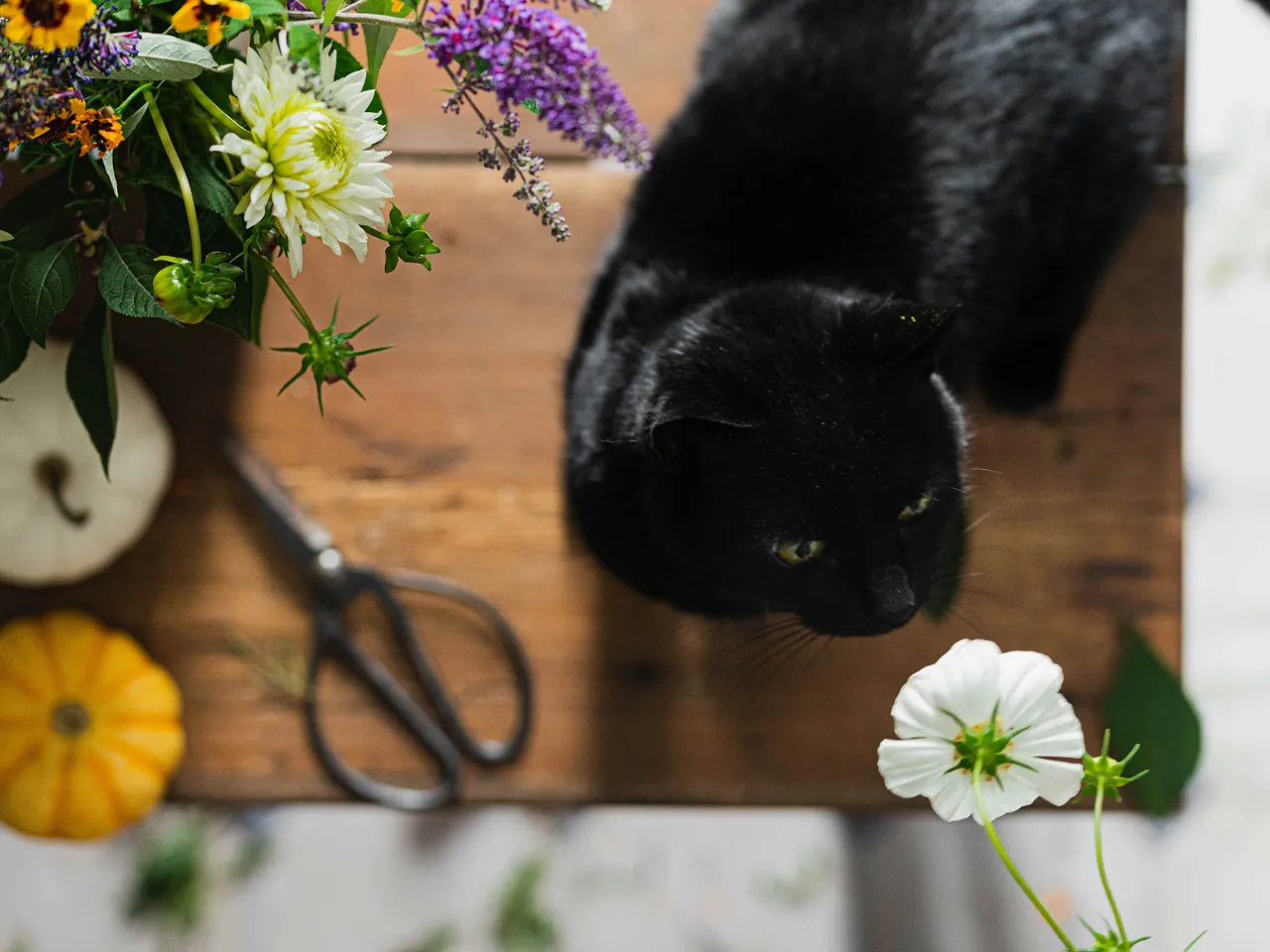
Whether you're displaying a fresh bouquet, arranging flowers in a vase, or planning a garden, choosing pet-safe plants is a simple way to create a safer environment for your cat. Whenever possible, select flowers that have not been treated with harsh chemicals or pesticides.
- Snapdragons: These colourful blooms are considered cat-safe and can brighten both indoor and outdoor spaces. They are often included in pet-friendly gardens because they are attractive and easy to grow.
- Orchids: Orchids offer elegant, long-lasting blooms and are generally regarded as safe for a feline companion. Their variety of shapes and colours makes them a favourite decorative plant for many households.
- Catnip and Cat Grass: If you’ve seen your cat often nibbling on grass, then catnip and cat grass are great additions to any pet-friendly home. These plants can also provide enrichment and satisfy a cat’s natural interest in greenery.
- Freesias: Freesias are known for their fragrant flowers and vibrant colours. They are commonly included among pet-friendly garden choices and can add a pleasant scent to your space.
- Gerber Daisies: Bright, cheerful, and colourful, Gerber daisies are another excellent option for cat owners. They offer a safe way to add more floral beauty and greenery to your home or garden.
When choosing flowers, remember that some plants are much more dangerous than roses. For example, a lily is considered highly toxic to cats and can cause acute kidney failure even with limited exposure. By choosing non-toxic plants and carefully monitoring flowers and greenery, you can create a safer environment for your pet.
Final Thoughts
One of the safer flowers for cat owners is roses, as real roses are usually not toxic to cats. But then again, safety depends on how the roses are grown, displayed and maintained. Choose roses without thorns or de-thorned varieties where possible, especially if a cat rubs against plants or investigates with its face. Thick fur will not protect cats from thorns.
Store-bought bouquets or garden roses may have pesticides, fertilizers and floral preservatives in them. Vomiting, diarrhea, or stomach upset can occur with large amounts of plant material. And by removing hazards with pet-friendly flowers and watching curious cats near plants, you can help keep your feline happy, healthy, and safe.
Frequently Asked Questions
Are Roses Dangerous for Cats?
While true roses are generally non-toxic, there are still a few risks cat owners should keep in mind.
True Roses Are Usually Safe: Roses from the Rosa family are not considered toxic to cats, making them one of the safer flower choices for pet-friendly homes.
Thorns Can Cause Injuries: Sharp thorns may scratch a cat’s mouth, tongue, paws, or skin if they come into contact with the plant.
Chemicals Increase Risk: Pesticides, fertilizers, and floral preservatives used on roses may be more concerning than the flower itself.
Too Much Plant Material Can Upset the Stomach: Eating large amounts of petals, leaves, or stems may lead to temporary digestive discomfort.
Store-Bought Bouquets Need Extra Caution: Commercially prepared flowers may contain treatments that make them less pet-friendly than untreated garden roses.
Can Cats Eat Rose Petals and Other Parts of a Rose?
Cats can safely nibble small amounts of rose petals, but moderation is important.
Petals Are Generally Harmless: A small bite of a rose petal is unlikely to cause serious health concerns for most cats.
Stems Present More Risks: Rose stems can be tough to chew and may contain sharp thorny areas that can cause irritation.
Leaves Are Not Toxic: Rose leaves are not considered poisonous, although excessive consumption can still upset digestion.
Large Amounts May Cause Digestive Issues: Some cats may experience mild stomach discomfort after consuming too much plant material.
Monitor What Your Cat May Ingest: Keeping an eye on curious pets helps prevent accidental exposure to flowers treated with chemicals.
What Signs Should I Watch for if My Cat Eats a Rose?
Most cats recover without issues, but monitoring them is still important.
Watch for Digestive Upset: Mild vomiting, diarrhea, or temporary stomach discomfort may occur after chewing on roses.
Look for Physical Injuries: Examine the mouth, tongue and paws for cuts or irritation from thorns.
Watch for Changes in Behaviour: Unusual lethargy, discomfort or loss of appetite may be a sign that your cat needs attention.
Consider Possible Chemical Exposure: Symptoms may be more concerning if the flower was treated with pesticides or preservatives.
Consult Your Veterinarian If Necessary: Consult your veterinarian if symptoms persist, worsen, or seem unusual.
How Can I Prevent Poisoning Risks From Flowers Around Cats?
Choosing and maintaining flowers carefully can help create a safer environment for your pet.
Choose Pet-Safe Plants: Select flowers that are known to be safe for cats whenever possible.
Don’t Buy Chemically Treated Arrangements: Untreated flowers reduce the chances of exposure to harmful chemicals.
Keep Bouquets Out of Reach: Storing arrangements in safe places will help to avoid curious chewing.
Remove Damaged Plant Parts: Regular maintenance can reduce access to fallen leaves, stems and petals.
Learn Which Flowers Are Toxic: Understanding the risks of plants like lilies can help prevent serious accidents.
What Are Some Safe Flower Alternatives for Cat Owners?
Many attractive flowers can be enjoyed without creating unnecessary risks for cats.
Snapdragons Add Colour Safely: These bright flowers are commonly included in pet-friendly gardens and displays.
Elegant Blooms From Orchids: Orchids are a popular decorative selection and are generally thought to be safe for cats.
Catnip and cat grass enrichment: These plants can satisfy a cat’s natural interest in greenery and provide stimulation.
Freesias Bring Fragrance and Beauty: Their colourful blooms make them a pleasant addition to many homes and gardens.
Gerber Daisies Are Pet-Friendly Choices: These cheerful flowers allow owners to enjoy floral displays while helping maintain a safe environment for their pets.

