
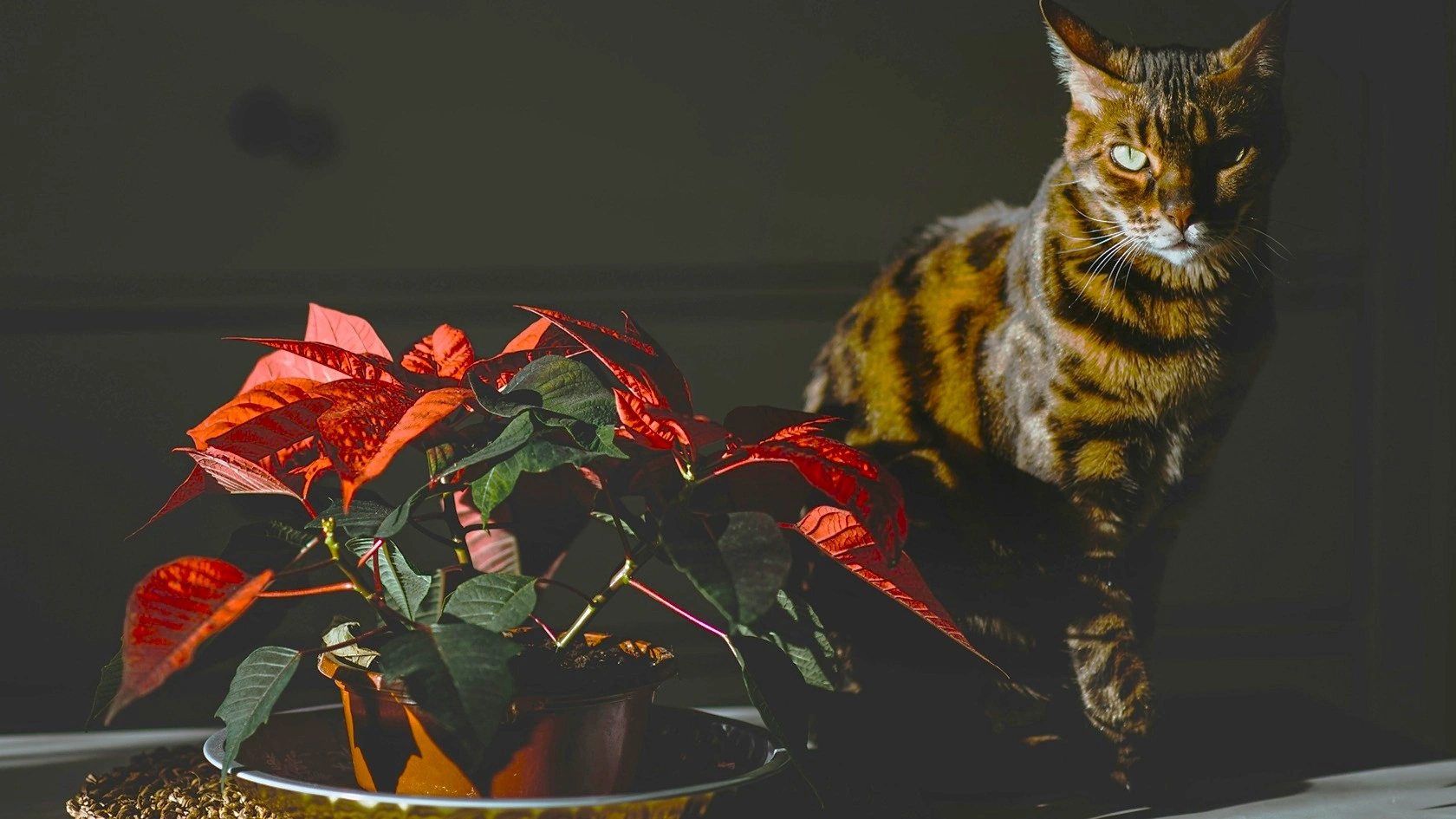

TL;DR: Are Poinsettias Poisonous to Dogs and Cats – Symptoms and What to Do
- Poinsettias are a popular holiday plant, but their leaves, berries, and milky sap can be mildly toxic to dogs and cats.
- If your dog takes a nibble, you might notice drooling, vomiting, diarrhea, or irritation in the mouth, stomach, or on the skin.
- Even touching the sap can cause mild skin irritation or discomfort, so curious pets should be watched closely.
- Keep all holiday plants—including holly and mistletoe—out of your dog’s reach to prevent any accidents.
- Most cases are mild, but severe or persistent symptoms need professional attention to make sure your dog stays safe.
- Quick action and careful monitoring can save your dog from discomfort and let everyone enjoy the holidays worry-free.
If your dog or cat has eaten a poinsettia or is acting unusually, reach out to our veterinary team. We’re here to help you and your pet stay safe and healthy.
Are poinsettias toxic to dogs and cats? These bright red poinsettia plants, along with holly and mistletoe, are common holiday decorations, so many pet owners wonder whether they are safe for dogs and cats. It’s important to understand how these plants may affect pets during the holiday season.
Poinsettias are mildly toxic to dogs and cats, and their milky white sap or leaves can cause irritation if your pet eats part of the plant. You might notice them drooling, vomiting, or having diarrhea if they nibble on the berries or leaves. Knowing how poinsettias affect dogs can help you feel more prepared and prevent any accidental poinsettia ingestion.
Most dogs and cats handle a little curiosity without serious problems, but it’s always smart to keep an eye on them around holiday plants. The sap can irritate the mouth and skin, and even a small bite from a poinsettia can be uncomfortable for your pet. Read on to learn what to watch for and how to keep your dog safe this holiday season.
Are Poinsettias Poisonous to Dogs and Cats?
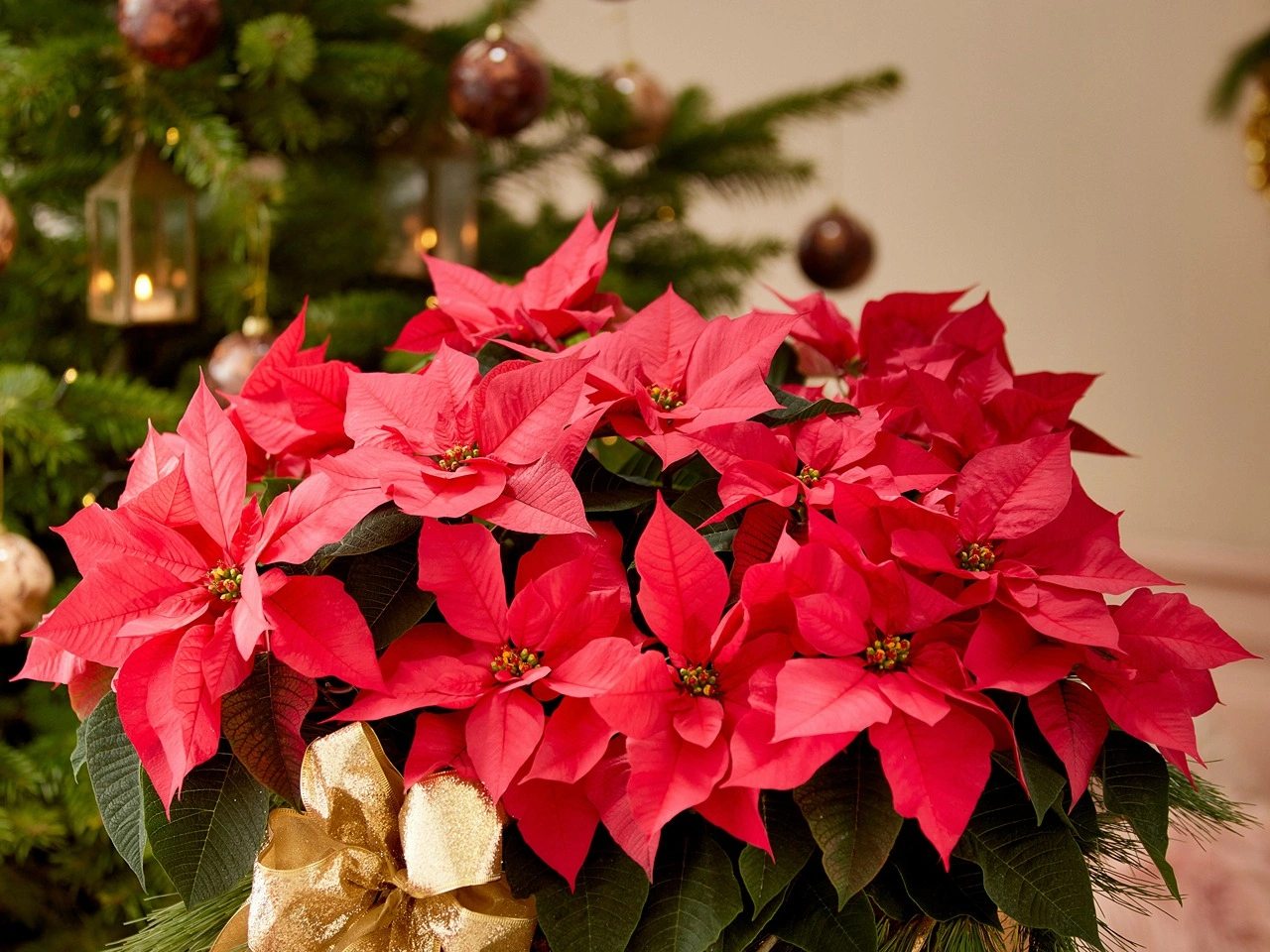
While poinsettias are mildly toxic to dogs and cats, serious or fatal reactions are rare, and most pets recover without medical treatment. Still, knowing the level of toxicity and what can happen if your dog eats or chews on a poinsettia is important for peace of mind.
- Poinsettias contain chemicals called diterpenoid euphorbol esters and saponin-like detergents, which may irritate the mouth, stomach, or skin.
- The milky white sap found in parts of a poinsettia can make a dog drool, vomit, or have diarrhea if they ingest it.
- Large quantities of leaves, berries, or sap can cause vomiting and increase the risk, but most exposures are mild and cause only low toxicity.
- Dogs may be drawn to the bright red leaves or berries, which makes accidental ingestion more likely.
- Other holiday plants, like holly and mistletoe, are also poisonous to pets and should be kept away from dogs and cats.
Keeping poinsettias out of your dog’s reach and keeping an eye on them around holiday plants can prevent accidental poinsettia poisoning. If your dog has eaten something and shows severe or persistent symptoms, contact your veterinarian or a pet poison helpline for guidance.
What Makes Poinsettias Poisonous and Toxic to Dogs and Cats
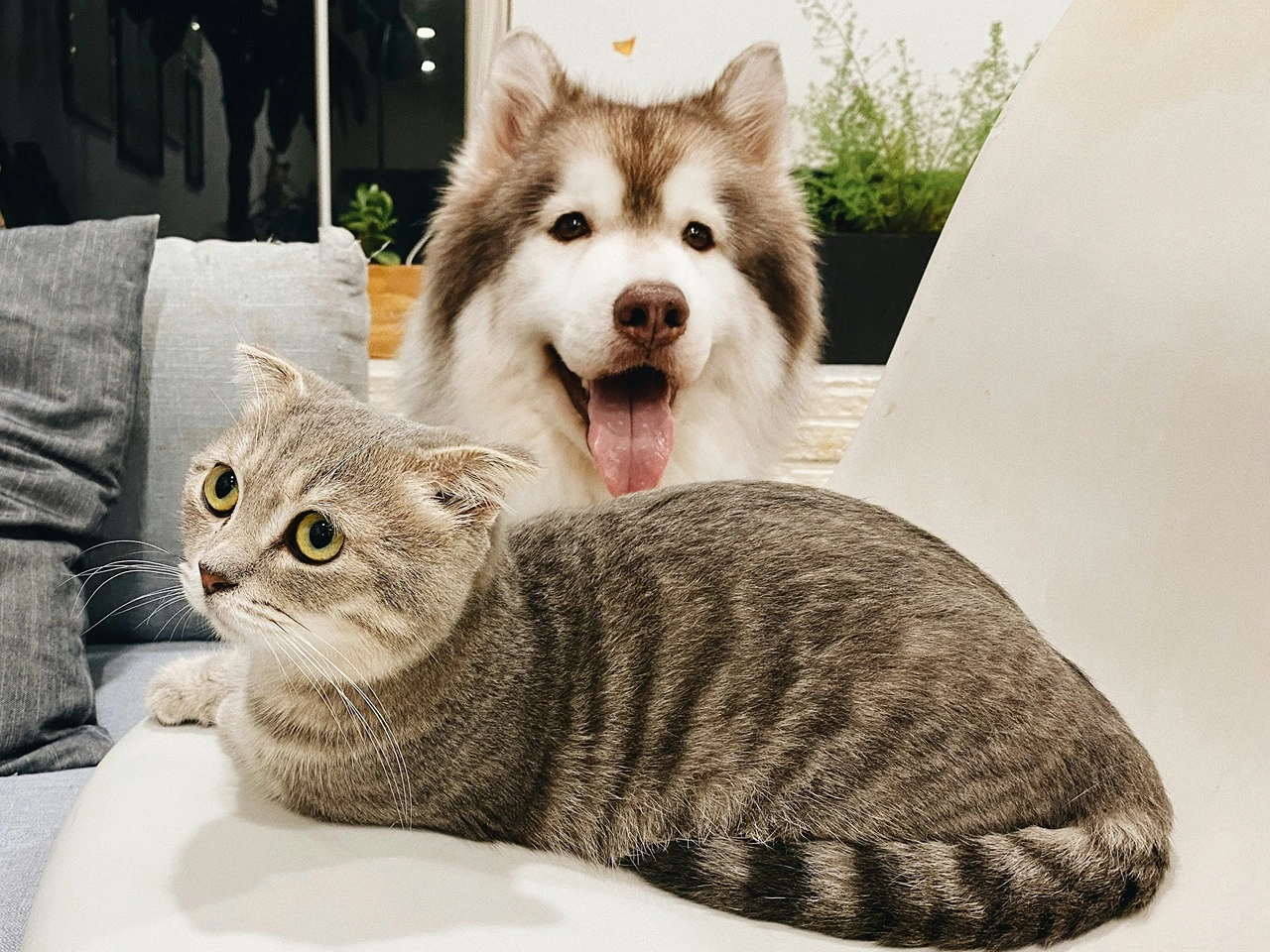
Poinsettias are widely used as red flowering plants during the holidays, and their bright colours can make any home feel festive. Knowing what makes poinsettias dangerous to dogs and understanding the level of toxicity can help you enjoy holiday decorations without stress.
Poinsettias Contain Chemicals That May Cause Irritation
The danger comes mainly from the sap and other parts of the plant.
- Poinsettias contain a milky sap that can cause irritation and gastrointestinal upset if a dog ingests leaves, berries, or stems.
- Contact with the sap may lead to irritation in the mouth and stomach, and dogs can even get skin irritation if they touch it.
- Large quantities increase the risk, but most cases are mild, and medical treatment is rarely necessary.
Sap Can Irritate Dogs and Cats
Even small contact with poinsettia sap can cause noticeable symptoms.
- Dogs may drool, vomit, or have diarrhea if they chew on the berries or leaves.
- Skin irritation can happen if a dog comes into contact with the sap while sniffing or playing.
- If your dog has severe or persistent symptoms, contact your vet or a pet poison control hotline for guidance.
Other Holiday Plants Dangerous to Dogs
Poinsettia are known for being highly toxic to dogs, but this isn’t the only plant that can be risky to have around with pets.
- Holly and mistletoe are also toxic to dogs and cats and should be kept away from pets.
- Dogs are naturally curious and may chew on leaves or berries, which increases the chance of poinsettia poisoning in your dog.
- Keeping all toxic plants away from your dog can prevent accidental ingestion and let you enjoy a safe, festive holiday.
Symptoms of Poinsettia Poisoning in Dogs and Cats
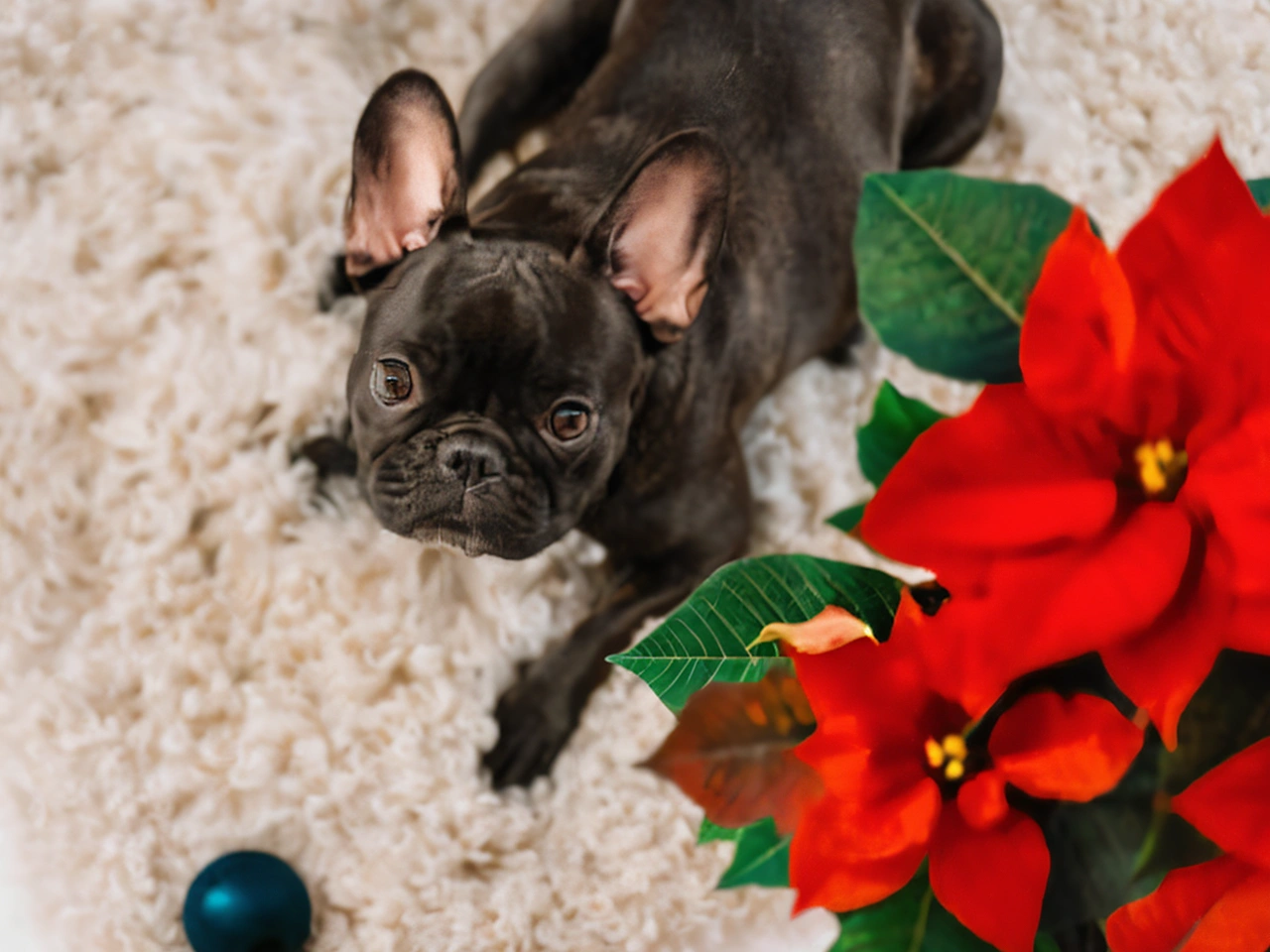
Poinsettias are poisonous to dogs and toxic to pets, and even though they’re only mildly toxic, they can still cause discomfort. Knowing the signs of poinsettia poisoning in your pet can help you prevent further exposure and keep them safe.
Signs When a Dog Has Ingested Poinsettia
Even a small bite can cause noticeable symptoms.
- Dogs may drool or show irritation in the mouth and stomach because of the sap that can irritate.
- Vomiting may occur, and diarrhea may be seen if your dog has ingested berries and leaves.
- Large amounts can increase irritation, though severe and persistent reactions are rare.
Symptoms from Contact
Your dog doesn’t even have to eat the plant to be affected.
- The milky sap of poinsettias, part of the Euphorbia family, can irritate your dog’s skin if they come into contact while sniffing or playing.
- Dogs may paw at their mouth or rub their face after touching the sap.
- These reactions are usually mild, but keeping an eye on your dog is important to prevent further irritation.
Observing Your Dog
- Dogs are naturally curious, and the bright berries and leaves often attract their attention.
- Watching your dog closely can help you spot signs of poinsettia poisoning before symptoms become severe and persistent.
- Understanding these signs makes it easier to prevent your dog from further exposure to plants that are dangerous to dogs.
- What to Do if Your Dog Eats a Poinsettia or Holiday Plant
What to Do if Your Pet Ingests a Poinsettia
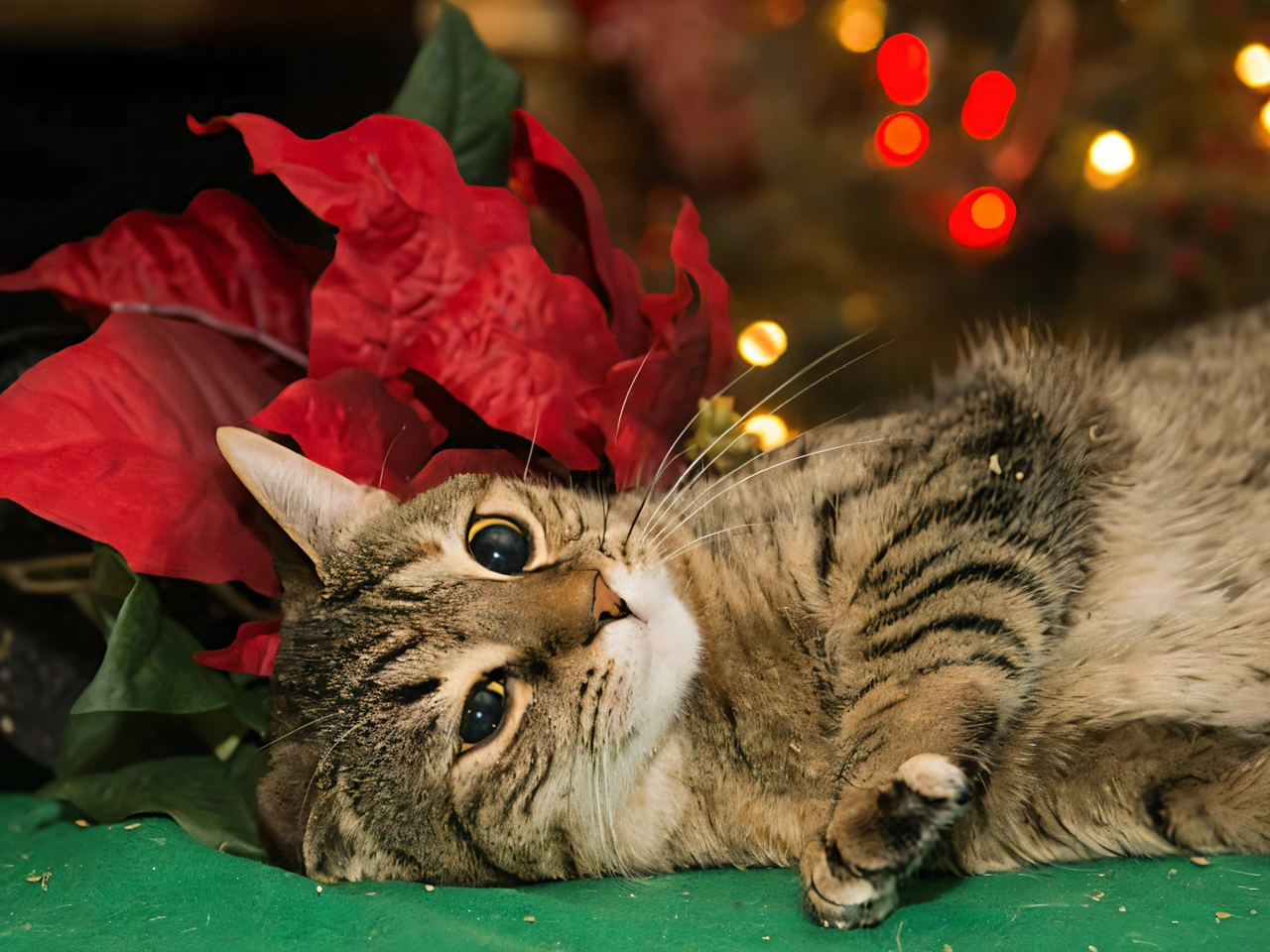
Knowing what to do right away can help prevent discomfort and keep your pet safe. Even though these plants are mildly toxic, taking quick action makes all the difference.
Remove Your Dog from the Plant
The first thing to do is remove your dog from the plant to prevent more chewing or contact.
- Take your dog or cat away from the poinsettia and other plants that are poisonous, like holly or mistletoe.
- Move berries, leaves, and stems out of reach to stop further exposure.
- Stopping access quickly can reduce irritation and lower the chance of vomiting or diarrhea.
Watch for Symptoms
Even after moving your dog, it’s important to keep an eye out for any signs of discomfort.
- Vomiting, diarrhea, or irritation in the mouth and stomach can appear if your dog has eaten part of the plant.
- Skin irritation may show up if your dog touches the milky sap of this Euphorbia plant.
- Most mild reactions improve on their own, but watching your dog closely can prevent severe and persistent symptoms.
Contact a Veterinarian
If symptoms are severe or don’t improve, professional help is important.
- Contact a veterinary professional if your dog shows persistent vomiting, diarrhea, or irritation.
- You can also call a pet poison control hotline for advice about poinsettia poisoning in your dog.
- Quick guidance ensures your dog stays safe, comfortable, and avoids complications from plants that are dangerous to dogs.
Supportive Care at Home
For minor exposures, you can help your dog feel more comfortable at home.
- Offer plenty of fresh water if vomiting or diarrhea occurs.
- Keep your dog away from all toxic plants to prevent another accident.
- Simple monitoring and preventive steps can help your dog enjoy the holiday season safely—and let you enjoy it without worry.
Final Thoughts
Poinsettias are a cheerful part of holiday décor, but they can be mildly toxic to dogs and cats. Even a small nibble of the leaves, berries, or sap can cause drooling, vomiting, diarrhea, or skin irritation.
Most pets handle it without serious problems, but it’s always smart to keep an eye on your curious pup. Other festive plants like holly and mistletoe can also be dangerous, so keeping all toxic plants out of reach is a good habit.
If your dog does eat part of a poinsettia and shows persistent or severe symptoms, don’t hesitate to contact your veterinarian or a pet poison hotline. With a little caution and awareness, you can enjoy your holiday decorations while keeping your pets safe and happy.
Frequently Asked Questions
Are holly and mistletoe poisonous to pets, and how can I keep my dog safe around them?
Holly and mistletoe: These are classic holiday decorations, but they can be poisonous to pets if eaten.
Holly: The berries and leaves may cause vomiting, diarrhea, or irritation in your dog’s mouth and stomach.
Mistletoe: Both the berries and plant contain chemicals that can upset your dog’s stomach and, in large amounts, may be more serious.
Keeping your dog safe: Place these plants out of reach, especially if your dog loves to explore or nibble on decorations.
Monitoring: Keep an eye on your dog during the holidays so you notice any accidental bites early.
Veterinary guidance: If your dog eats holly or mistletoe, don’t panic—call our veterinary team or a pet poison control hotline for help.
What are the signs of toxicity if a dog eats a poinsettia or other Christmas plants?
Symptoms: Dogs that nibble on poinsettias or other holiday plants might show signs quickly, but most reactions are mild.
Drooling and mouth irritation: The milky sap or chemicals in these plants can make your dog’s mouth and throat uncomfortable.
Vomiting and diarrhea: These are common reactions if your dog has ingested something toxic.
Skin irritation: Touching the sap can also cause redness or irritation on your dog’s skin.
Large quantities: Eating more of the plant increases the risk of more serious symptoms.
Veterinary evaluation: If your dog shows severe or persistent symptoms, contacting a vet early can help prevent complications and keep them safe.
How can I prevent my dog from eating something dangerous like poinsettia plants or other holiday plants?
Prevention: The best way to avoid trouble is to keep toxic plants out of reach.
Placement: Keep poinsettias, holly, mistletoe, and other decorations in rooms your dog cannot access.
Supervision: Watch your dog around holiday plants, especially if they’re naturally curious or love chewing.
Education: Learn which plants are poisonous so you can decorate safely without worry.
Barriers: Use gates, high shelves, or other barriers to prevent accidental bites.
Veterinary advice: If you’re unsure about a plant or worried about exposure, contact your vet—they can give you peace of mind.
Is my dog at risk if they have eaten something from holiday decorations, and when should I worry?
Risk: Dogs are naturally curious, and holiday decorations often tempt them.
Mild exposure: A small nibble of a poinsettia or other plant usually leads to minor irritation or mild upset.
Large or repeated ingestion: Eating a bigger portion can increase toxicity and lead to more serious symptoms.
Other hazards: Items like tinsel, ribbons, or artificial berries can also cause blockages or stomach upset.
Observation: Watch for vomiting, diarrhea, drooling, or pawing at the mouth—these are signs that something is wrong.
Veterinary intervention: If symptoms are severe or persistent, don’t wait—contact your vet for guidance.
What other Christmas plants are poisonous to dogs that I should watch out for?
Common plants: Several festive plants can be risky if your dog or cat eats them.
Amaryllis: The bulbs and leaves can cause vomiting, diarrhea, and even more serious reactions in larger amounts.
Pine and fir needles: While less toxic, chewing these can irritate your dog’s mouth and stomach.
Christmas cactus: Most are safe, but some varieties might cause mild upset if ingested.
Holly and mistletoe: Both remain among the most common holiday plants that are toxic to pets.
Veterinary guidance: Knowing which plants are dangerous and watching for early signs of poisoning helps you keep your pets happy and safe during the holidays.

